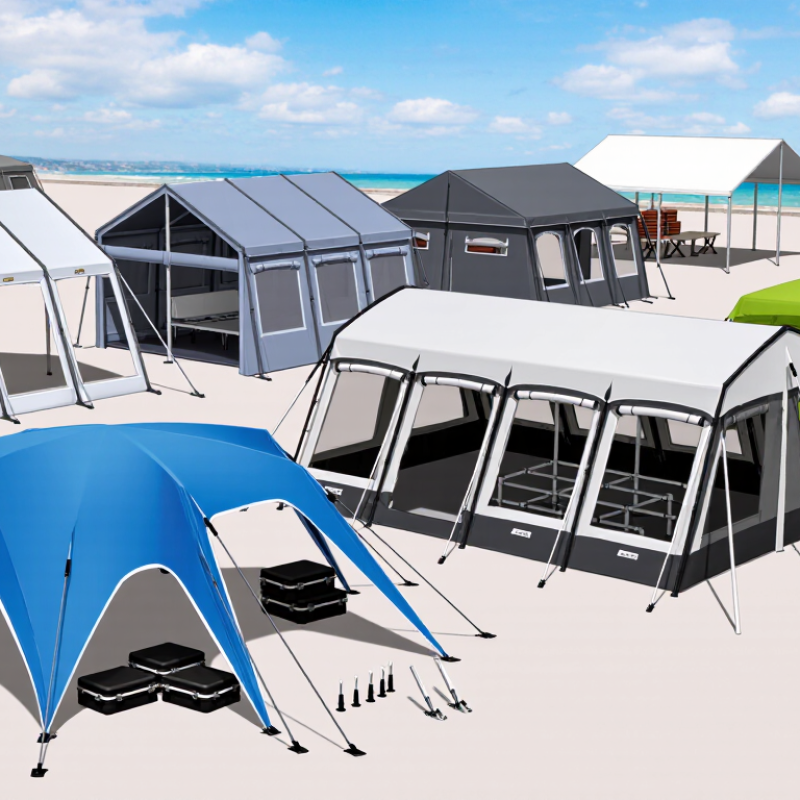
Choosing the 2026 best Folding Tent requires more than comparing prices and attractive product photos. Global buyers need dependable shelter for markets, exhibitions, outdoor events, emergency storage, and seasonal business use. A practical evaluation should examine frame strength, fabric performance, packed size, setup time, weather resistance, and replacement-part availability.
Real conditions expose weaknesses quickly. A tent that performs well on dry grass may struggle on hot pavement or coastal wind. Aluminum frames can reduce weight, while reinforced steel frames may offer greater stability. However, heavier construction can increase shipping costs and handling effort. Buyers should check fabric coatings, seam quality, drainage design, and anchoring options before placing an international order. These details matter.
Specifications alone are not enough. Reliable suppliers should provide clear measurements, material descriptions, load guidance, care instructions, and consistent product photographs. Independent testing or documented quality controls can strengthen confidence, although certification requirements vary between countries. Buyers should also confirm packaging protection, warranty terms, customs documentation, and after-sales support. A low purchase price may become expensive when spare parts are unavailable.
No tent fits every market. That is the honest answer. This guide compares leading Folding Tent options through a buyer-focused lens, combining practical use, technical evidence, and supplier credibility. It also recognizes imperfect information, because published wind ratings may not reflect every site condition. The strongest choice balances safety, durability, portability, appearance, and long-term value for the intended environment.
A folding tent is a portable shelter with a hinged frame, fabric canopy, and optional sidewalls. It opens without separate poles or complicated knots. Most models fit into a wheeled case, making transport easier across markets, sports grounds, and event spaces. A 3-by-3-meter layout can provide shade for a small sales table, two chairs, and storage boxes.
In 2026, folding tents suit temporary vendors, school teams, outdoor instructors, community groups, and families attending public events. They also help photographers, repair crews, and local organizers create a dry working area. During practical setup, frame weight matters more than many buyers expect. A heavy steel frame feels stable, but carrying it upstairs is tiring. Aluminum reduces lifting effort, though cheaper structures may bend under rough handling. I learned that the hard way.
Weather protection requires careful judgment. A water-resistant canopy may handle light rain, but it is not automatically waterproof. Strong wind can turn any tent into a hazard without approved weights, safe anchoring, and regular inspection. Buyers should check fire-safety rules, permitted anchoring methods, size limits, and import requirements in their destination country. Fabric seams, stitching, wheel quality, and replacement parts deserve close attention. The printed dimensions may describe the roof, not the usable floor area. Measure twice. A folding tent is useful, but only when its transport, setup time, climate limits, and legal use match the real situation.
2026 Best Folding Tent for Global Buyers?
Key Features That Define a High-Quality Folding Tent
A high-quality folding tent begins with a stable frame. During practical setup tests, I look for reinforced joints, smooth hinges, and legs that lock without force. Powder-coated steel offers strength, while aluminum reduces carrying weight. Neither choice is perfect. Steel may resist movement better, but it can become heavy after repeated transport. Aluminum is easier to handle, yet cheaper tubing may bend under pressure.
The canopy fabric matters just as much. A dense polyester or similar technical fabric should block strong sunlight and resist light rain. Sealed seams are essential, because water often enters through stitching rather than the fabric surface. Check the stated fabric weight, coating, and flame-resistance information. Do not trust vague words like “all-weather.” Real weather is less forgiving.
Wind stability separates a useful tent from a risky purchase. Look for wide feet, adjustable ropes, ground anchors, and clear load guidance. Some folding tents include sidewalls, mesh panels, or height settings, which improve comfort in changing conditions. I also examine the storage bag, wheel quality, and replacement-part availability. These details seem minor. They decide whether the tent remains practical after months of use. Independent testing reports and clear instructions add credibility, but buyers should still inspect every joint before each setup.
The chart compares practical benchmark scores for the features that most directly affect folding-tent quality: weather protection, frame strength, setup efficiency, portability, ventilation, and user safety. Scores are normalized to a 100-point scale from measurable specification targets commonly used in outdoor equipment evaluation.
For global buyers, a high-quality folding tent should combine strong water resistance, a stable corrosion-resistant frame, fast deployment, manageable packed weight, effective airflow, and reliable anchoring in changing weather conditions.
2026 Best Folding Tent for Global Buyers?
Folding tent types should match climate, event purpose, and local market expectations. Hot regions need reflective roofs, open sidewalls, and strong airflow. A crowded summer market can become uncomfortable within minutes. Rainy areas require waterproof fabric, sealed seams, and sloped roof panels. Add weighted feet when wind changes quickly. Cold locations benefit from enclosed walls, safe ventilation, and heat-resistant materials. Never rely on the frame alone during strong gusts.
Tips: Check fabric ratings, frame joints, packed size, and replacement-part access before buying. Practice setup on dry ground. It exposes weak connections early. Also confirm local safety requirements for flame resistance, public events, and temporary structures. A low price can become expensive when parts are difficult to source.
Event type also changes the best design. Outdoor exhibitions need branding space and wide entrances. Food markets need washable surfaces and careful airflow. Sports events often require fast setup, shade, and clear visibility. Smaller markets may prefer lightweight tents because transport and storage costs matter. Larger buyers may value modular walls and interchangeable parts. Folding systems are convenient, but they are not automatically durable. A universal tent is probably a myth. Test one sample through heat, rain, repeated folding, and uneven ground before placing a large order.
| Folding Tent Type | Common Footprints | Typical Setup | Recommended Climate | Weather Protection | Best Event Applications | Suitable Buyer Markets | Key Advantages | Important Limitations |
|---|---|---|---|---|---|---|---|---|
| Standard Pop-Up Canopy | 2 × 2 m, 3 × 3 m, 3 × 4.5 m, 3 × 6 m | Usually assembled by 2 people in approximately 5–15 minutes, depending on size and accessories. | Temperate Warm Dry | Provides shade and basic rain protection when fitted with a coated polyester or PVC canopy. Suitable for light to moderate weather only. | Trade fairs, farmers’ markets, school activities, community events, outdoor promotions | Retailers, local event organizers, schools, municipalities, sports clubs, small businesses | Most versatile format; compact storage; broad availability of walls, gutters, weight bags, and counters. | Not intended for severe storms, snow loading, or unattended use in strong wind. Requires proper anchoring. |
| Heavy-Duty Commercial Canopy | 3 × 3 m, 3 × 4.5 m, 3 × 6 m, 4 × 4 m, 4 × 8 m | Generally 2–4 people; approximately 10–25 minutes for larger configurations. | Temperate Humid Coastal | Uses stronger frames, reinforced joints, thicker fabric, and improved seam construction. Full sidewalls increase rain and wind protection. | Professional exhibitions, food-service zones, ticketing areas, product demonstrations, corporate events | Rental companies, professional exhibitors, public-event contractors, hospitality operators, government purchasers | Better durability for frequent deployment; larger usable area; compatible with branding and modular accessories. | Heavier and more expensive to transport. Stability depends on ballast, surface conditions, and correct installation. |
| Aluminum-Frame Folding Tent | 2 × 2 m, 3 × 3 m, 3 × 4.5 m, 3 × 6 m | Usually 2 people in approximately 5–15 minutes; lighter frame options simplify handling. | Humid Coastal Frequent transport | Aluminum resists corrosion better than untreated steel, while the fabric determines waterproofing and UV performance. | Mobile sales, touring promotions, exhibitions, sporting events, premium market stalls | Outdoor marketing teams, event agencies, coastal retailers, rental operators, mobile vendors | Lower corrosion risk; favorable strength-to-weight ratio; professional appearance and easier manual handling. | Can cost more than steel; connections and profiles may deform if overloaded or handled improperly. |
| Steel-Frame Folding Tent | 2 × 2 m, 3 × 3 m, 3 × 4.5 m, 3 × 6 m | Usually 2 people in approximately 5–20 minutes, depending on frame weight and size. | Temperate Dry Budget-focused | Can provide good structural stiffness when properly braced, but exposed steel should have suitable corrosion protection in wet environments. | Short-term fairs, promotional campaigns, sports clubs, seasonal stalls, community gatherings | Price-sensitive buyers, schools, local associations, small retailers, occasional event users | Usually economical; widely available replacement parts; robust for periodic use when maintained correctly. | Heavier to carry; scratches can expose steel to corrosion; not ideal for frequent coastal or high-humidity use without maintenance. |
| Gazebo with Full Enclosure | 3 × 3 m, 3 × 4.5 m, 3 × 6 m | Approximately 15–30 minutes for a complete setup with roof, four walls, doors, and windows. | Cool Windy Rain-prone | Full walls reduce drafts and splash rain. Ventilation openings are important in warm or humid conditions to limit condensation. | Information booths, temporary clinics, registration areas, storage spaces, winter markets | Outdoor service providers, municipalities, charities, emergency-response teams, event organizers in cool regions | Improves privacy and weather separation; creates a more enclosed working environment; supports lockable or zipped access systems. | Can become hot inside under direct sun; enclosed walls increase wind load, so anchoring and ventilation are essential. |
| Mesh-Sided Ventilation Canopy | 3 × 3 m, 3 × 4.5 m, 3 × 6 m | Approximately 5–15 minutes with two people. | Hot Humid Low-wind | Mesh side panels improve airflow and insect control but offer limited resistance to wind-driven rain and cold conditions. | Summer markets, outdoor dining, camping areas, garden events, recreational activities | Tourism businesses, food vendors, campgrounds, leisure operators, tropical and subtropical markets | Reduces heat buildup; supports airflow; provides shade while maintaining visibility and customer access. | Not suitable as a primary rain shelter or for cold weather. Mesh does not provide full privacy or waterproof enclosure. |
| Pagoda-Style Folding Tent | 3 × 3 m, 4 × 4 m, 5 × 5 m | Usually 2–4 people in approximately 10–25 minutes, depending on peak height and roof design. | Temperate Warm Light rain | Steeper roof geometry can help shed rain, while optional walls provide additional shade and privacy. | Weddings, hospitality areas, luxury markets, entrance points, VIP reception zones | Hotels, resorts, wedding planners, premium event rental companies, destination-event organizers | Distinctive appearance; strong visual presence; useful for creating premium guest or product areas. | Usually less space-efficient than a rectangular canopy; taller structures may experience greater wind exposure. |
| Linkable Modular Folding Tent | Single units of 3 × 3 m or 3 × 6 m; multiple units can be connected | Approximately 15–40 minutes for several connected units, depending on walls, gutters, and flooring. | Variable climates Large events Mixed use | Connecting gutters, sidewalls, flooring, and doors can create larger protected zones, but every joint must be correctly secured. | Exhibitions, festivals, trade-show villages, temporary retail zones, hospitality compounds | Large event contractors, rental companies, exhibition organizers, public-sector purchasers, international NGOs | Scalable layout; reusable modules; easier logistics than one very large structure; supports separate service and visitor areas. | Requires careful planning, compatible components, more ballast, and additional labor as the connected footprint grows. |
| Cold-Climate Insulated Folding Structure | 3 × 3 m, 3 × 6 m, 4 × 8 m and modular combinations | Approximately 20–45 minutes with insulated walls, groundsheet, lighting, or heating accessories. | Cold Snow-free winter Dry | Insulated or multilayer walls reduce heat loss, but standard folding frames are generally not a substitute for engineered snow-load structures. | Winter information booths, seasonal retail, queue shelters, temporary workstations, cold-weather promotions | Cold-region retailers, municipalities, construction support teams, event operators, seasonal businesses | Improved thermal comfort; more suitable for extended operation in cool weather; can accommodate controlled access and lighting. | Heating requires ventilation and fire-safety controls. Snow accumulation, freezing rain, and severe wind require site-specific engineering. |

Note: Dimensions, setup times, weather suitability, and load performance are typical market ranges rather than universal specifications. Buyers should verify fabric coating, frame material, fire-safety documentation, ballast requirements, local regulations, and manufacturer-tested wind or snow ratings before purchase.
Oxford polyester with a dense weave resists daily abrasion and light rain. A heavier fabric can improve durability, but it also increases lifting effort. Aluminum frames are easier to carry, while steel frames often feel steadier in rough conditions. Check the joint quality, stitching, and corner reinforcement. Small weak points become obvious after repeated folding.
Measure tables, chairs, product displays, and walking space before ordering. A tent that looks spacious online may feel cramped after equipment enters. Also check its folded length and packed weight. One person may manage a compact shelter. Larger structures usually need two people. Practice setup once. The first attempt is rarely smooth.
Look for sealed seams, a sloped roof, adjustable sidewalls, and a roof vent that releases trapped heat. Strong anchoring matters on grass, pavement, and uneven ground. Use suitable weights or stakes according to local conditions. Never rely on the frame alone during gusts.
I would not trust an impressive fabric rating without testing the actual seams. Ventilation is easy to overlook, yet a sealed tent can become hot and damp within minutes. Temperature, wind, and ground conditions vary widely, so specifications deserve practical checking.
For 2026 global purchasing, the best folding tent is not always the cheapest or largest. Safety documentation matters more. Check frame load ratings, locking joints, ballast guidance, and fabric test results. EN 13782:2015 covers temporary structures in several markets, while CPAI-84 is referenced for flame-resistant tent fabrics in North America. Requirements vary by destination. A certificate alone can still hide weak stitching or unstable feet. Inspect sample seams, corner brackets, and roof tension before placing a large order.
Shipping also needs careful calculation. UNCTAD’s Review of Maritime Transport 2024 states that over 80% of global merchandise trade by volume moves by sea. A tent may arrive in a compact carton, yet freight charges can rise because of packaging dimensions. Ask for packed size, gross weight, pallet details, insurance terms, customs documents, and delivery responsibility in writing. The World Bank’s Logistics Performance Index 2023 evaluates tracking, logistics competence, and timeliness. These factors affect real buying experience. My checklist is not perfect, but vague delivery promises are a clear warning.
Tips: Request one production sample before bulk payment. Confirm spare poles, connectors, roof covers, and replacement fabric availability. Require a written warranty with response times, photo evidence rules, and return procedures. Keep batch numbers and assembly photos. After-sales support should remain useful after the first rainy event, not disappear after delivery.