What is a Lifting Chair and How Can It Improve Your Mobility?
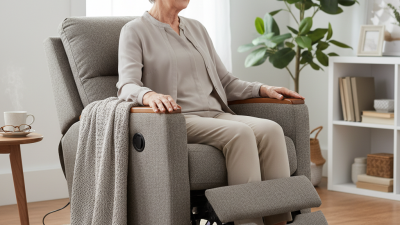
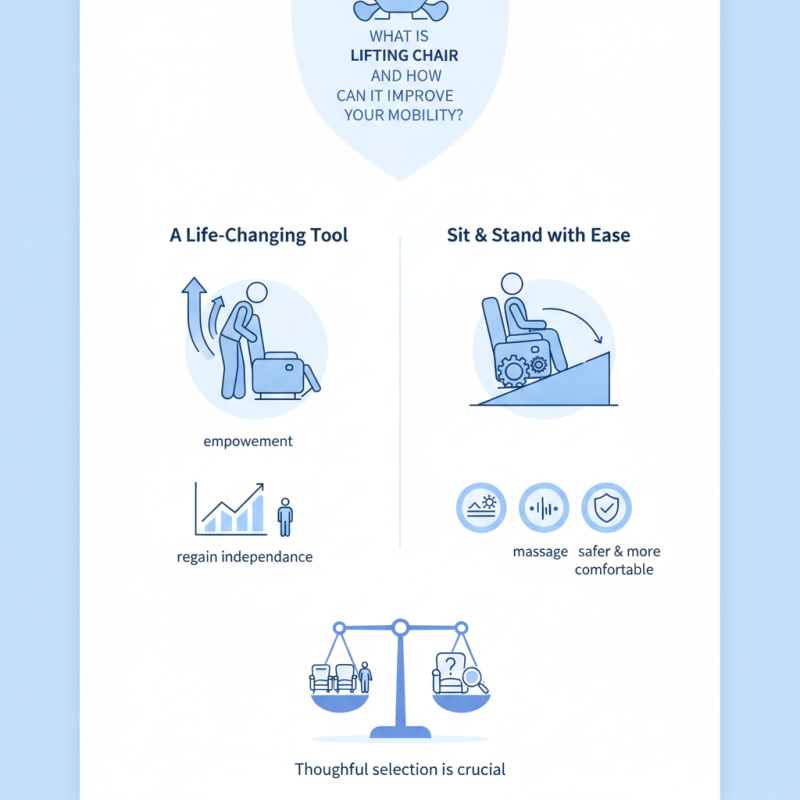
A lifting chair is more than just a piece of furniture; it's a life-changing tool for those with mobility challenges. According to Dr. Emily Simmons, an expert in geriatric rehabilitation, "A lifting chair can empower individuals to regain their independence." This type of chair provides essential assistance, allowing users to sit and stand with ease.
Imagine struggling to get up from a regular chair. It can be frustrating and even dangerous. Lifting chairs are designed with advanced technology to gently elevate users, making the process safer and more comfortable. They often come with additional features like heat and massage, enhancing the overall experience.
However, it’s essential to choose the right model carefully. Not all lifting chairs are created equal. Some may not suit specific needs or body types. Individuals should consider their unique requirements to maximize the benefits of these chairs. Ultimately, a lifting chair can significantly improve mobility and quality of life, but a thoughtful selection is crucial.
Definition and Functionality of Lifting Chairs
Lifting chairs are specially designed to assist individuals with mobility challenges. These chairs provide support for sitting down and standing up, making them essential for many elderly and disabled individuals. According to the National Institute on Aging, nearly 20% of adults over 65 experience difficulty with mobility. Lifting chairs can significantly enhance their independence.
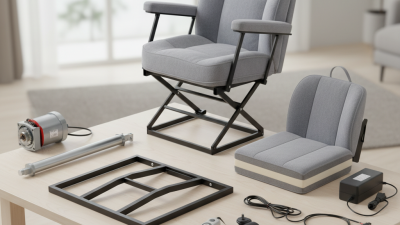
These chairs function through a motorized system. When the user wants to stand, the chair tilts forward. They can swing their legs out easily. For those with balance issues, this feature minimizes the risk of falling. A report from the American Geriatrics Society highlights that falls are the leading cause of injury among older adults. By using lifting chairs, the likelihood of such accidents decreases significantly.
It's important to recognize that not all lifting chairs are suitable for everyone. Some may not provide adequate support for larger individuals. Others might lack advanced features, limiting their functionality. Choosing the right chair involves understanding personal needs. Consulting with a healthcare provider can help in making informed decisions.
Types of Lifting Chairs Available in the Market
Lifting chairs come in various styles and functionalities, each offering unique benefits. One common type is the recliner lift chair. These chairs allow users to recline and elevate their feet. They often feature a button that lifts the chair forward, making it easier to stand up. This style is ideal for individuals with limited mobility or those recovering from surgery.
Another option is the infinite position lift chair. This model offers adjustable backrest and footrest angles. Users can find their most comfortable position with ease. Some may prefer a three-position lift chair. This type has predefined settings for reclining, sitting, and standing. While these chairs provide support, they may not offer as much flexibility as other models.
Consider the size and weight capacity when choosing a lifting chair. Not all chairs fit everyone comfortably. Some may find it challenging to transition from one type to another. It’s essential to test chairs in person whenever possible. Doing so ensures you select a chair that meets your specific needs. This decision often requires thoughtful consideration and personal reflection.
Benefits of Using Lifting Chairs for Mobility Improvement
Lifting chairs are designed to help individuals with mobility challenges. These chairs provide assistance when sitting down or standing up. They use a motorized system to gently lift the person into a standing position. This feature reduces strain on the body, especially for those with limited strength or balance issues.
Using lifting chairs can significantly enhance a person's independence. Users can regain the ability to move freely around their homes. This improvement can lead to increased confidence. However, not all lifting chairs are the same. Different models cater to various needs, such as size, weight capacity, and additional features. It is essential to choose a chair that suits individual requirements.
Lifting chairs may seem like an easy solution. Yet, users might experience a learning curve in using them effectively. Some may find the mechanisms intimidating at first. Adjusting to new mobility aids can take time. It is crucial for users to practice and seek guidance where needed. This journey toward improved mobility can be rewarding despite initial challenges.
Benefits of Using Lifting Chairs for Mobility Improvement
Factors to Consider When Choosing a Lifting Chair
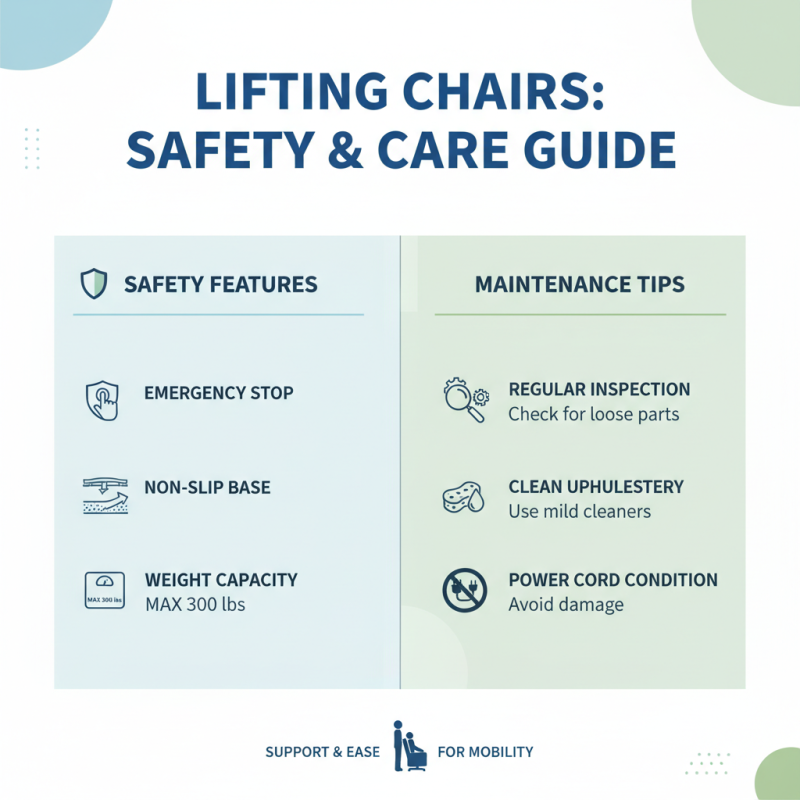
When considering a lifting chair, several factors can significantly influence your choice. First, think about the chair's weight capacity. Ensure that it can accommodate your needs comfortably. The design is also important. Some chairs have a sleek, modern look, while others may have a more traditional design. Choose a style that matches your home decor.
Next, assess the chair's features. Many lifting chairs come with additional functions such as heat and massage options. These extra features can enhance your comfort and overall experience. Pay attention to the upholstery material as well. A fabric that is easy to clean can be a crucial factor, especially for individuals who may have spills or accidents.
Comfort is paramount, but so is safety. Look for chairs with stable bases to prevent tipping. Adjustable seat heights can also help you find the perfect position. Keep in mind that personal preferences vary significantly. What feels comfortable to one person may not suit another. Take the time to test different options to find the ideal fit. Prioritize your mobility needs and lifestyle when making your selection.