7 Nest Sampler Buying Tips for Global Buyers

Buying a Nest Sampler across borders takes more than comparing prices. The right choice depends on the sampling task, nest structure, and conditions the equipment will face. A sampler suited to soft nesting material may not work well in a dense or damp environment. Check dimensions, contact materials, cleaning instructions, and whether replacement parts are available. Ask suppliers for clear product specifications and sample-handling guidance. Small details matter.

A fictional sourcing adviser, Dr. Elias Morgan, puts it this way: “A sampler is only useful when it protects the sample and fits the work.” This is an illustrative quote, not a verified statement from a real expert. Use it as a reminder to confirm claims with product records, test results, and direct questions to the manufacturer. Check the fit. Compare packaging, lead times, and shipping arrangements with your destination and schedule. Request photographs or a demonstration when specifications leave room for doubt. A polished catalog can still omit an important limitation.

These seven buying tips will help global buyers compare options with care: define the sampling need, verify materials, assess usability, review sample protection, check supplier documentation, plan delivery, and confirm after-sales support. No checklist catches everything. That is worth remembering. A careful comparison may take longer, but it can prevent avoidable mismatches and make the Nest Sampler a more dependable part of the fieldwork.

7 Nest Sampler Buying Tips for Global Buyers

Understanding Nest Samplers and Their Intended Applications

7 Nest Sampler Buying Tips for Global Buyers
Understanding Nest Samplers and Their Intended Applications

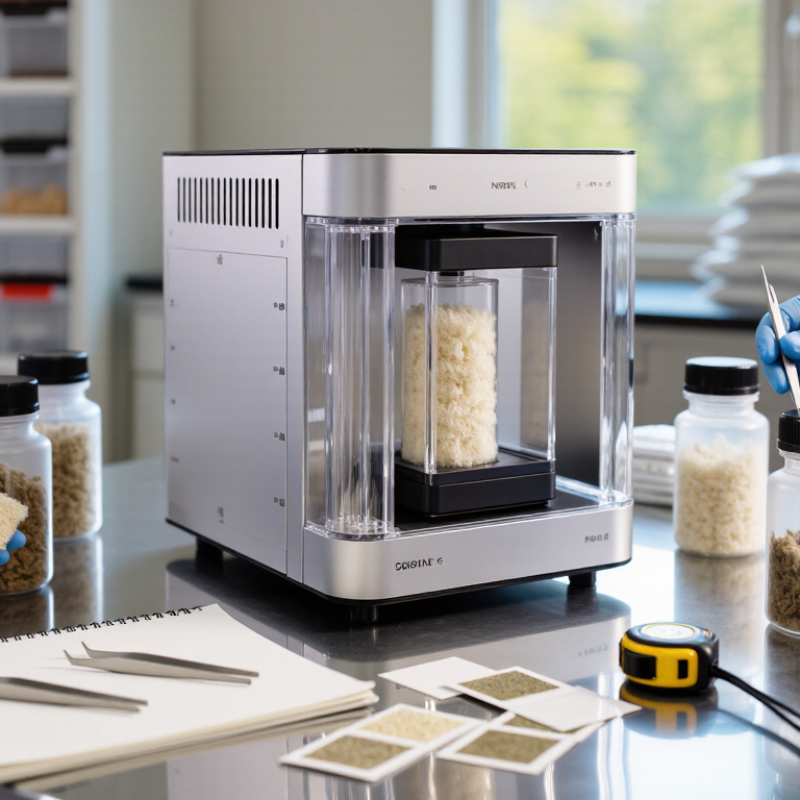
A nest sampler is commonly a set of graduated sieves stacked by mesh size, though suppliers may use the term differently. Confirm the design before comparing prices. Sieve nests help separate particles by size in soil, aggregates, powders, and similar materials. A geotechnical lab may need durable metal frames; a food or powder laboratory may prioritize cleanable surfaces and fine mesh. Match the sampler to the material, expected particle range, and test method. Small details matter. A loose lid can spill a sample; a poorly fitting stack can distort results.

Check the required opening range against the method you follow. ISO 3310-1:2016 covers test-sieve apertures from 20 μm to 125 mm, a broad range that does not mean one nest should cover every task. ASTM C136/C136M describes sieve analysis for fine and coarse aggregates, helping buyers verify compatibility with their grading procedures. Ask for aperture tolerances, calibration records, and replacement-mesh availability. I have seen buyers focus on the number of sieves and overlook frame diameter; then the nest will not fit their shaker. That shortcut is tempting, but it is worth checking the full setup before ordering across borders.

Defining Sampling Requirements for Different Testing Tasks

Defining Sampling Requirements for Different Testing Tasks

A nest sampler should match the test, not just the sample container. For routine liquid assays, specify the working volume, transfer accuracy, and whether repeated aliquots must be identical. For sediment or viscous material, check probe depth, opening size, and whether the sampler can clear without leaving residue. Small details matter. A narrow channel may retain droplets and distort the next reading.

WHO’s Global Tuberculosis Report 2023 recorded 7.5 million people newly diagnosed with TB in 2022, underscoring how diagnostic workflows depend on reliable specimens. That figure concerns case detection, not sampler performance; the distinction matters.

For microbiology, prioritize sterile, sealed components and low-contact handling. For chemical analysis, confirm material compatibility with solvents and analytes, since adsorption or leaching can affect results. For environmental testing, define the sampling location, depth, and replicate plan before comparing models.

The U.S. EPA’s Guidance on Choosing a Sampling Design for Environmental Data Collection stresses aligning the design with the decision the data must support. Ask suppliers for documented volume tolerance, material specifications, and validation conditions—not just nominal capacity. A test on clean water may not represent a cold, oily sample.

I would also challenge one assumption: “universal” samplers can simplify purchasing, but they may compromise recovery or repeatability when tasks differ.

Comparing Materials, Configurations, and Usability

When comparing materials, consider the sample type, cleaning routine, and field conditions. Stainless steel resists corrosion and handles repeated cleaning, but it adds weight to a long sampling day. Aluminum is lighter, though its surface may be less suitable for some abrasive conditions. Plastic components can reduce weight and avoid metal contact, but check their stiffness and chemical compatibility before ordering. Light matters.

Configurations affect how consistently a nest sampler collects material at different depths. Compare the number and size of sections, the opening diameter, and how securely each part locks into place. More sections may provide useful separation, yet they also create more joints to clean and inspect. In muddy ground, small gaps can trap residue. Fit matters.

Usability is more than a comfortable handle. Check whether sections assemble without special tools, whether the sampler can be rinsed easily, and whether replacement parts are available. A simple field test with gloves can reveal awkward latches or slippery grips. I would not treat the lightest model as the best choice; that assumption can fail in wet, abrasive soil. Tighter nesting can also make cleaning awkward, a trade-off that is easy to miss in a product photo.

Checking Accuracy, Calibration, and Regulatory Compliance

Before comparing prices, define the samples and conditions the nest sampler must handle. Check chamber dimensions, contact materials, seals, and the expected temperature range. These details affect repeatability. Ask for accuracy specifications across the operating range, not just one favorable test point. Request a calibration certificate that names the instrument, reference standard, test date, results, and measurement uncertainty. Small details matter.

A neat certificate is not proof that a sampler performs well in your workflow. Run a practical check with a known reference or split samples, then compare results across repeated runs. Record deviations, even when they seem minor; they may reveal handling or cleaning issues. Confirm whether calibration is performed before shipment and how often recalibration is recommended. Requirements vary by destination and intended use, so check applicable product, material, and documentation rules with a qualified local adviser. Keep records. Ask suppliers for supporting technical documents, and verify that model details match the paperwork. A mismatch can delay purchasing or acceptance.

Evaluating Suppliers, Pricing, and International Delivery

Global buyers should evaluate a nest sampler supplier beyond catalog photos. Request a current specification sheet, material details, and inspection records for recent production. Ask how the supplier checks fit, finish, and consistency between units. Ask for records. A small sample batch can reveal loose parts or packaging problems before a larger order.

Compare like with like. Get an itemized quote covering unit price, minimum order quantity, sample fees, packaging, and any setup charges. Confirm the currency and when the quoted price expires. A low unit price may exclude protective packaging or handling fees. I would not treat the cheapest offer as a win; that may be overly cautious, but surprise costs are hard to unwind. Ask what happens if inspection finds defects, and get the agreed remedy in writing.

International delivery needs the same scrutiny as product quality. Confirm dispatch time, estimated transit time, shipping method, and who arranges export documents. Check that carton dimensions and gross weight are available before booking freight; a bulky package can change the shipping cost. Allow a buffer. Holidays, port delays, and customs processing can shift arrival dates, so avoid planning around the most optimistic estimate. One detail buyers sometimes miss: ask for photos of the packed order before it leaves the warehouse.

©2024 Home Health Solutions by The Medicine Shoppe
cross linkedin facebook pinterest youtube rss twitter instagram facebook-blank rss-blank linkedin-blank pinterest youtube twitter instagram