What is Sleep Monitoring Technology and How Does It Work?
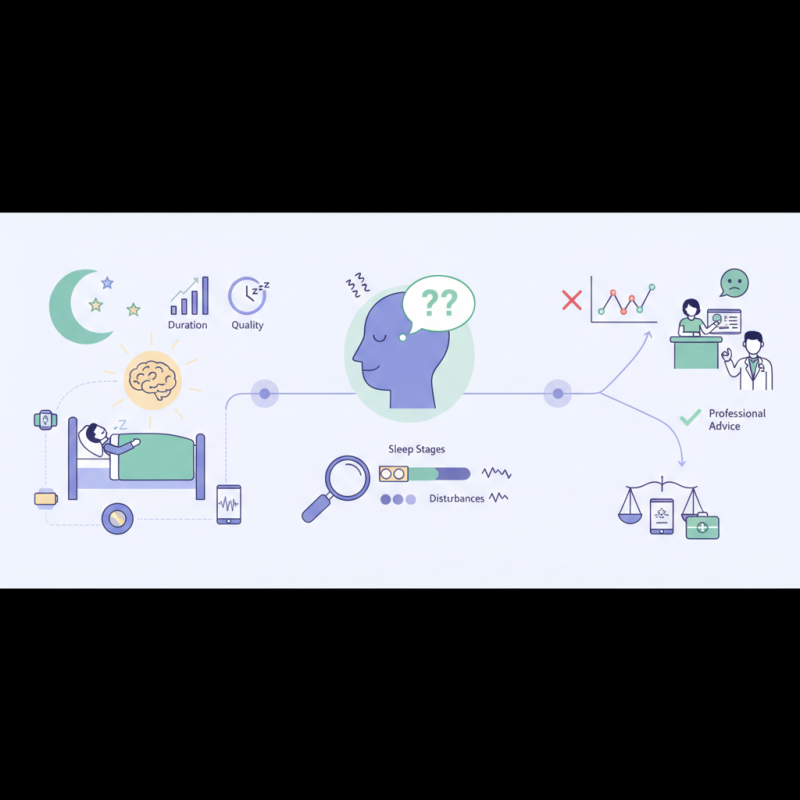
Sleep Monitoring Technology plays a crucial role in understanding our nightly rest patterns. It tracks various aspects of sleep, from duration to quality. This technology often utilizes wearable devices, apps, and sensors to gather data.
Many people struggle with sleep issues. They seek solutions to improve their rest. Sleep Monitoring Technology offers insights into these problems. By analyzing sleep stages and disturbances, users can identify what disrupts their sleep.
However, this technology has its flaws. Not all devices are accurate, and results can vary widely. Users may realize that self-diagnosing sleep issues from data can be misleading. Balancing technology with professional advice is key.
What is Sleep Monitoring Technology?
Sleep monitoring technology plays a crucial role in understanding our sleep patterns. This technology uses devices and applications to track and analyze sleep quality. In recent years, the sleep technology market has seen significant growth. According to a report by Markets and Markets, the global sleep tech market is projected to reach USD 113.4 billion by 2025.
Wearable devices like smartwatches and fitness trackers often feature sleep monitoring capabilities. They analyze movements, heart rate, and even blood oxygen levels during sleep. Some devices can detect when users fall asleep and when they wake up, providing insights into sleep cycles. Many people find it helpful to establish better sleep habits. However, accuracy can vary widely among different devices, indicating a need for caution in reliance on these technologies.
Tips: Maintain a sleep diary along with using monitoring devices. This practice enhances self-awareness of sleep habits. Consider potential overreliance on technology. Screens can emit blue light, which interferes with melatonin production. Balance tech use with relaxing sleep environments for optimal rest.
Key Components of Sleep Monitoring Devices
Sleep monitoring technology offers intriguing insights into our rest patterns. These devices typically feature key components that measure various aspects of sleep quality. They can track heart rate, movement, and sometimes even brain activity. For example, a recent study reported that over 60% of adults experience sleep disturbances. Monitoring tools can help identify these issues, providing users with actionable data.
Wearable devices and smart mattresses are at the forefront of sleep tracking. Wearables often come equipped with accelerometers to detect motion. These sensors help distinguish between different sleep stages. Smart mattresses can integrate sleep data and adjust firmness based on user preferences. It is estimated that the global sleep tech market will exceed $100 billion by 2024, highlighting the growing demand for effective monitoring.
Despite the advancements, challenges remain. Many devices may inaccurately interpret sleep stages. Users may become overly reliant on data, leading to anxiety rather than improved sleep. Researchers continue to emphasize the need for accuracy and reliability in this field. As we explore further, understanding the limitations of these technologies becomes essential for enhancing sleep quality.
How Sleep Monitoring Technology Works
Sleep monitoring technology plays a crucial role in understanding sleep quality. It analyzes sleep patterns by measuring various physical parameters. This technology often utilizes sensors to capture data such as heart rate, movement, and respiration. According to the National Sleep Foundation, about 50-70 million adults in the U.S. suffer from sleep disorders. This high prevalence underscores the need for effective monitoring solutions.
Devices track sleep stages, identifying light, deep, and REM sleep. A 2023 report by the Sleep Research Society revealed that accurate sleep tracking can improve sleep quality by up to 30%. Many users may find discrepancies between their perceived sleep quality and actual data. Such differences highlight the importance of these technologies in providing insights for better sleep hygiene.
However, not all sleep monitoring technologies are equally reliable. Some devices may overestimate sleep duration or misclassify sleep stages. This can lead to confusion and frustration. Continuous improvements in algorithms aim to enhance accuracy, yet some questions remain. Trusting the data requires careful interpretation and a willingness to adapt sleep habits based on findings.
Types of Sleep Monitoring Methods
Sleep monitoring technology encompasses various methods designed to track and analyze sleep patterns. Each method offers unique insights into an individual's sleep quality. Wearable devices, like fitness trackers, are popular choices. They use sensors to collect data on movement and heart rate during sleep. This information helps users understand their sleep cycles.
Another method involves clinical sleep studies, known as polysomnography. This procedure takes place in a sleep lab. Here, professionals monitor brain activity, heart rate, and breathing patterns overnight. Such detailed analysis can identify sleep disorders. It often poses comfort challenges for participants. They may struggle with the lab environment, leading to altered sleep patterns.
Smart home devices have also emerged as viable options. These systems use cameras and microphones to observe sleep behavior. They analyze sounds and movements throughout the night. However, concerns about privacy may arise. Users may wonder how their data is used and stored. Balancing technology benefits with ethical considerations remains critical.
Benefits and Limitations of Sleep Monitoring Technology
Sleep monitoring technology offers several benefits. It provides insights into sleep patterns, helping individuals understand their sleep quality. Monitoring devices can track metrics like duration, restfulness, and disturbances. Many users report improved awareness of their sleep habits. This awareness empowers them to make changes for better sleep.
However, there are limitations to consider. Some devices may not accurately capture all sleep stages. False readings can lead to unnecessary alarm or concern. Additionally, users may become overly reliant on technology. This dependence can create stress around sleep. It's essential to balance technology use with intuitive listening to one's body. Sleeping well involves more than just data; it requires a personal approach.
What is Sleep Monitoring Technology and How Does It Work?
| Feature | Description | Benefits | Limitations |
| Wearable Devices | Devices like smartwatches or fitness trackers that monitor sleep patterns. | Convenient, can track activities, often provides heart rate monitoring. | Can be uncomfortable for some users, may lack accuracy. |
| Sleep Apps | Mobile applications that track sleep using phone sensors. | Easy access, often free or low cost, can provide sleep tips. | Reliant on phone placement, may drain battery. |
| Sleep Sensors | Non-wearable devices placed on a bed to monitor sleep. | Non-intrusive, can provide detailed metrics about sleep stages. | Installation required, potential privacy concerns. |
| Polysomnography | Comprehensive sleep study conducted in a sleep lab. | Highly accurate data, can diagnose sleep disorders. | Expensive, requires overnight stay, less accessible. |
| Smart Mattresses | Mattresses equipped with sensors to monitor sleep behaviors. | Comfortable, no extra devices needed, can adjust firmness. | High cost, may require maintenance and updates. |