Top 10 Spirulina Powder Suppliers Worldwide?
Spirulina Powder is used in foods, drinks, and nutritional products, but quality can vary between suppliers. Differences may come from cultivation conditions, harvesting, drying, and storage. A vivid green color can catch the eye; it cannot confirm purity or consistency. Buyers need more than an attractive product photo.
This overview of ten worldwide suppliers offers a starting point for comparison, not a universal ranking or endorsement. Supplier capabilities and product specifications can change, so confirm details directly before placing an order. Useful checks include the product’s origin, available grades, minimum order quantities, packaging options, and export experience. Ask for a recent certificate of analysis and review the testing scope. Depending on the intended use, that may include identity, microbiological quality, and relevant contaminants.
Small details matter. A clear lot number, readable label, and responsive technical contact can make routine sourcing easier. Compare documentation, not only price. Also ask how the supplier handles traceability and whether specifications remain consistent across batches. One sample is not a guarantee of future performance. That is easy to overlook. No supplier is perfect for every buyer, and published information may leave gaps. Treat those gaps as questions to resolve, rather than assumptions. With careful checks, this guide can help manufacturers, distributors, and first-time buyers narrow their options and identify suppliers that fit their practical needs.
Spirulina Powder: Arthrospira Species, Forms, and Typical 55–70% Protein Content
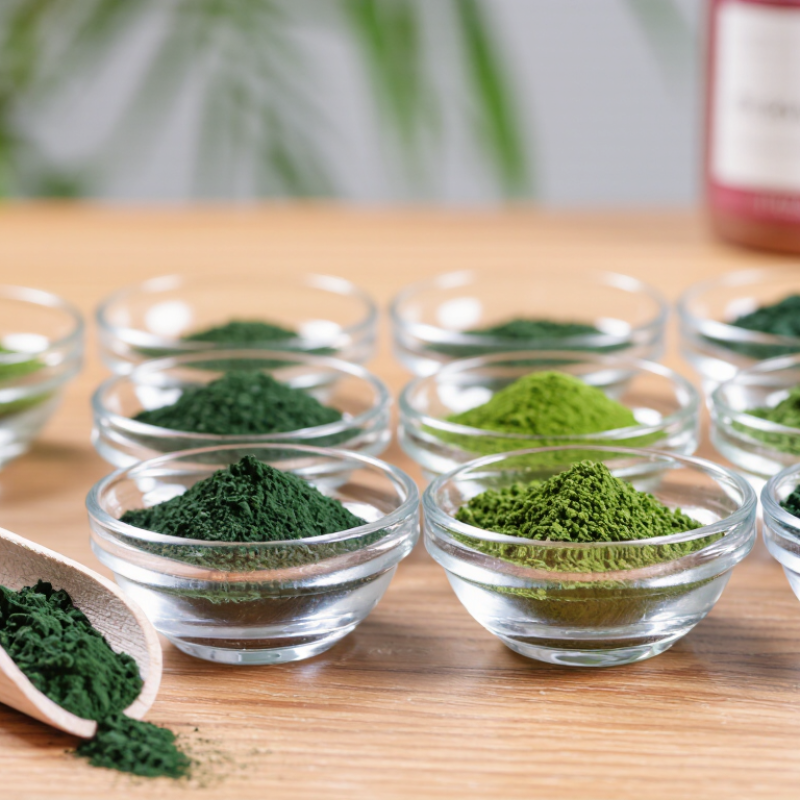
Spirulina powder usually comes from Arthrospira platensis or Arthrospira maxima, cyanobacteria commonly called blue-green algae. Producers harvest the biomass, rinse it, then dry and mill it into a fine, deep-green powder. Other forms include granules and compressed tablets, but powder is easiest to inspect for color, texture, and dispersibility. It can clump in cool water. That alone does not indicate poor quality.
Protein is often reported at roughly 55–70% of dry weight, but this is not a guaranteed specification. Harvest conditions, moisture, processing, and the laboratory’s calculation method can shift the reported figure. Ask for a batch-specific certificate of analysis showing the protein method and moisture, along with identity and microbiological results. Some protein estimates use nitrogen-based calculations, so comparisons between suppliers may not be like-for-like. The headline number is not enough. An even green color and an earthy aroma are useful observations, not proof of purity. A reliable supplier should explain the species, processing, and testing methods clearly, and provide traceable batch documentation.
Top 10 Spirulina Powder Suppliers Worldwide? - Spirulina Powder: Arthrospira Species, Forms, and Typical 55–70% Protein Content
This is a non-ranked supplier evaluation guide, not a verified list of ten companies. Company and brand names are intentionally omitted. Product specifications vary; confirm them against the supplier’s current specification sheet and independent test results.
| # | Supplier evaluation dimension | What to check | Relevant product information |
| 1 | Species identification | Confirm the organism named on the specification sheet and product label. | Commercial “spirulina” is commonly produced from Arthrospira platensis or Arthrospira maxima. The name Spirulina is widely used as a common product name. |
| 2 | Protein content | Request a recent certificate of analysis (COA) and check the reporting basis. | Spirulina powder is commonly described as containing about 55–70% protein by dry weight. Actual results vary with product and analytical method. |
| 3 | Product form | Specify the form needed for processing, retail, or food-service use. | Common forms include powder, flakes, tablets, and capsules. This table concerns powder, but suppliers may offer multiple formats. |
| 4 | Identity and composition testing | Ask which methods are used for identity, protein, moisture, and other declared specifications. | Test methods and sample preparation can affect reported values. Compare like-for-like results and request the method used on the COA. |
| 5 | Microbiological quality | Review lot-specific results for applicable food-safety microbiological criteria. | Requirements depend on destination market and intended use. Request the relevant limits and test results rather than relying on a general claim of compliance. |
| 6 | Contaminant controls | Check risk-based testing for heavy metals and other contaminants relevant to the origin and process. | Ask for results tied to the supplied lot, the analytical method, and the applicable destination-market limits. |
| 7 | Cyanotoxin risk management | Ask about controls against contamination by other toxin-producing cyanobacteria and whether microcystins are tested. | Spirulina products should be assessed for contamination risks; request documented controls and test results appropriate to the product and market. |
| 8 | Color and pigment information | Clarify whether the supplier provides a measured color or pigment specification. | Spirulina’s blue-green appearance is associated with pigments including phycocyanin and chlorophyll. Color alone does not establish purity or quality. |
| 9 | Traceability and production records | Request lot identification, origin information, and records connecting the finished powder to its production batch. | Traceability supports investigation of quality issues and helps buyers verify the product’s stated origin and documentation. |
| 10 | Packaging and storage | Confirm packaging, storage conditions, shelf life, and handling instructions for the specific product. | Protect the powder from moisture and unsuitable storage conditions. Follow the supplier’s product-specific instructions and check that the package is intact on receipt. |
How Suppliers Grow and Process Spirulina: Ponds, Photobioreactors, and Harvesting
Spirulina suppliers typically grow this blue-green microorganism in shallow, open raceway ponds. Slowly turning paddle wheels keep the water moving and expose the culture to light. Workers monitor temperature, pH, and alkalinity because small changes can affect growth. Sunlight supports cultivation, but cloudy periods may slow production. Open ponds can be efficient at scale. They also face exposure to dust, insects, and other unwanted material. That trade-off matters.
Some producers use enclosed photobioreactors, where clear tubes or panels give operators greater control over light and water conditions. These systems can limit outside contamination, but they require more equipment and careful cleaning. Neither method guarantees consistent quality on its own. This part is easy to oversimplify. Harvesting usually begins when the culture reaches a suitable density. Fine screens or filters separate the biomass from water; the concentrated paste may then be rinsed and dried. Drying conditions matter, since excess heat can affect pigments and other sensitive components. Ask suppliers how they monitor contamination, moisture, and batch consistency, and whether they can provide process records. A polished facility is useful to see, but records and test results tell a fuller story.
Top 10 Spirulina Powder Suppliers Worldwide: Regions, Products, and Capabilities
A useful supplier comparison starts with geography and process control, not a “top ten” label. Production is concentrated in parts of Asia, including China and India, while North American and European firms also cultivate, process, or distribute spirulina. Suppliers may offer whole powder, tablets, or standardized extracts. Their capabilities vary: some manage cultivation and drying, while others focus on testing, milling, and packaging. Ask for batch-level certificates covering identity, protein content, moisture, and contaminants. Look for clear traceability from pond or tank to finished lot. Small details matter, like whether powder arrives in sealed, light-resistant packaging.
Market figures offer context, but they are estimates. Grand View Research valued the global spirulina market at about USD 0.48 billion in 2023 and projected growth through 2030 in its Spirulina Market report. FAO’s The State of World Fisheries and Aquaculture 2024 reported 37.8 million tonnes of aquatic algae production in 2022; most was seaweed, not spirulina. That distinction matters. A broad algae statistic cannot rank spirulina suppliers. A ranking can mislead, too: suppliers differ in scale, specifications, and intended use. Even comparisons of protein figures may depend on testing methods. Request current technical sheets and independent test results before comparing quotations.
Top 10 Spirulina Powder Suppliers Worldwide: Product Profile
A reference view of the macronutrient content of dried spirulina powder, rather than a ranking or comparison of individual suppliers.
Values are grams per 100 g of dried spirulina, based on the USDA FoodData Central entry for dried spirulina. Composition varies by product and processing; these figures are not supplier-specific.
Supplier Quality Benchmarks: Protein, Phycocyanin, Heavy Metals, and Microbiology
A useful spirulina supplier comparison starts with protein, but the percentage alone can mislead. Check whether results are reported on a dry-weight basis and identify the testing method. Moisture levels and analytical methods can shift the figure. Ask for a recent, batch-specific certificate of analysis, not just a product brochure. Numbers need context.
Phycocyanin deserves its own line in the specification. Its reported level can depend on extraction and measurement procedures, so compare suppliers only when methods are clearly stated. Request the test date, batch number, and laboratory details. A vivid blue-green powder may look impressive, but appearance cannot confirm pigment content or stability. Ask for evidence.
Heavy metals and microbiology are essential quality checks, not optional extras. Request batch results for relevant metals, such as lead, cadmium, arsenic, and mercury, and verify that limits align with your intended market. For microbiology, review tests for pathogens, yeast, and mold, along with the laboratory’s reporting units. Independent testing adds confidence, though a certificate still needs careful review. This is not perfectly tidy: sampling and methods can vary, and one clean report does not guarantee every batch. Compare documentation across several production lots, and clarify how the supplier investigates results that fall outside its specification.
How to Evaluate Suppliers: Certifications, Traceability, and Batch-Test Results
Choosing a spirulina powder supplier starts with documents, not polished product photos. Ask for current certificates and check their scope, issuing body, site address, and expiry date. A food-safety certificate should cover the processing facility, not merely an office. Read the details.
Traceability should connect a finished lot to its cultivation and processing records. Request a lot code, production dates, origin details, and an explanation of how records link each step. Compare the code on the package with the certificate of analysis (COA). If staff cannot show this path promptly, treat the gap as worth probing—not automatic proof of poor quality.
Batch results matter more than a generic sample report. Ask for a COA tied to the exact lot you may buy, including test dates, methods, units, and acceptance limits. Review identity and relevant checks for heavy metals, microbiological quality, and other contaminants based on intended use and risk. Independent laboratory testing adds confidence, but does not replace supplier controls. Check that results are legible and consistent. No report is perfect. Ask what the supplier does when a result fails.

