Why Choose Goldentech Lift Chairs for Global Buyers?
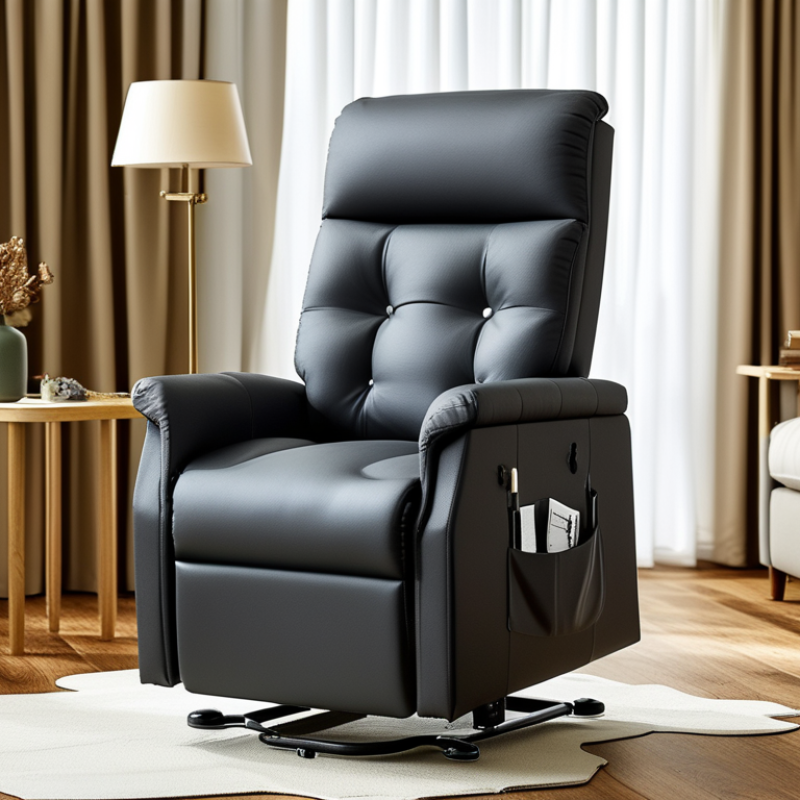
Global buyers need more than an attractive recliner. They need dependable movement, clear specifications, and support after delivery. Goldentech lift chairs are designed around these practical concerns. Their powered lifting systems can assist users when standing or sitting. That matters in bedrooms, clinics, living rooms, and recovery spaces.
“Comfort is useful only when safety, fit, and daily reliability work together,” says Ethan Cole, a mobility-seating consultant with experience evaluating lift-chair systems. His observation reflects an important buying reality. A soft cushion alone proves very little. Buyers should examine lifting capacity, remote-control simplicity, motor performance, upholstery durability, and available size options. Small details matter. A misplaced control can frustrate an older user. A narrow seat can reduce confidence. A noisy motor may disturb a quiet home.
Goldentech lift chairs also attract international distributors through practical product flexibility. Different markets may require varied plug configurations, packaging methods, fabrics, and documentation. Reliable communication becomes essential here. Buyers should request precise measurements, product photographs, warranty terms, and shipping information before ordering. They should also confirm service arrangements with the supplier.
No chair fits every person. That is worth admitting. User height, weight, mobility level, and room layout can change the decision. A careful evaluation prevents expensive mistakes. With transparent specifications and responsive cooperation, Goldentech lift chairs can offer a balanced solution for global buyers seeking comfort, support, and dependable everyday use.
A professional lift chair manufacturer should be judged by more than its catalog. Its company profile should explain production experience, engineering capability, quality controls, and export support. A reliable supplier usually manages material selection, frame assembly, motor testing, upholstery checks, and final inspection under one system. This creates clearer responsibility for global buyers. It also helps when the supplier provides product drawings, user manuals, packing details, and traceable inspection records.
The product scope should cover practical needs rather than endless variations. Common options include single-motor and dual-motor lift chairs, compact models for smaller rooms, heavy-duty structures, and chairs with heat or massage functions. Buyers may also need different fabrics, voltage specifications, plug types, remote controls, and carton sizes. Each detail affects comfort, shipping, installation, and after-sales service. A chair may look excellent in a showroom but perform differently after long-term use. That gap deserves honest testing.
Tips: Ask for load-test results, motor durability data, fabric samples, and replacement-part policies. Confirm whether manuals support your target language and market requirements. Check certifications independently when possible. Small checks prevent expensive misunderstandings.
The supplier’s experience with overseas orders can reveal its real reliability. Look for stable communication, clear lead times, consistent packaging, and responsive warranty handling. Some profiles sound polished but provide little evidence. That is a warning sign. Better decisions come from comparing documents, samples, and actual service performance.
Global demand for mobility and home-care products is supported by the steady growth of the older population. The World Health Organization estimates that the number of people aged 60 and above will increase from 1.0 billion in 2020 to 1.4 billion by 2030 and 2.1 billion by 2050, highlighting the expanding relevance of accessible seating and assisted-living solutions for international buyers.
Source: World Health Organization, “Ageing and health,” 2022.
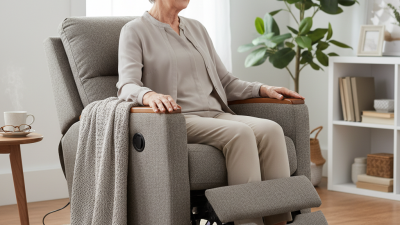
Comfort and independence often begin with small, repeatable movements. A lift chair can help users rise, sit, and rest with less strain. Its powered mechanism gently raises the seat before the user stands. This may reduce pressure on knees, hips, and lower back. It can also support safer transfers during daily routines.
In practical home-care assessments, fit matters more than appearance. The user’s feet should touch the floor when seated. The backrest should support the shoulders without forcing the head forward. Padded armrests can provide steady hand placement.
A remote with large, clearly marked buttons helps users operate the chair independently. Quiet motors are useful in shared homes, especially at night.
Independence is not the same as doing everything alone. A suitable chair can help someone read, nap, or reach a nearby table with less assistance. However, no chair solves every mobility problem. A rushed purchase may still fail if the seat is too deep or the lifting angle feels uncomfortable. That limitation matters. Buyers should check measurements, weight capacity, upholstery care, plug requirements, and local service support before ordering. Adjustable positioning is valuable, but simple controls remain essential for confidence and everyday use.
International lift chairs need more than a comfortable seat. They must fit different homes, body types, and daily routines. The World Health Organization reports that one in six people worldwide will be aged 60 or older by 2030. This creates stronger demand for safe, practical home support.
A well-designed lift chair should offer smooth rising assistance, controlled reclining, and a hand-held remote with large, clear buttons. Quiet motors matter in bedrooms and shared living spaces. Adjustable headrests and footrests can reduce pressure during long sitting periods. USB charging is useful, but it should not replace dependable manual controls. Small details matter.
Electrical compatibility is essential for international buyers. Buyers should check voltage, plug type, cable length, and local certification requirements before ordering. Battery backup can help during short power interruptions, though performance depends on battery condition. Compact dimensions support smaller apartments, while wider seats help users with limited movement. Easy-clean upholstery is practical in humid climates. A 2021 AARP survey found that 77% of adults aged 50 and above prefer to remain in their current homes. That preference makes reliable home equipment increasingly important. Still, comfort claims can be subjective. A chair that feels supportive in a showroom may feel too firm after several hours. Trial measurements, clear instructions, and responsive after-sales support remain necessary.
Global buyers often judge lift chairs by more than appearance. Quality begins with traceable materials, stable frames, and consistent factory inspections. Look for documented testing, clear load ratings, and production records that can be reviewed. A smooth motor matters, but so does controlled movement near the footrest and backrest. In real use, quiet operation and firm upholstery reduce daily frustration. Some product details may still be overlooked. That is why independent inspection can strengthen confidence before shipment.
Safety requires practical attention. Buyers should confirm electrical specifications, plug compatibility, emergency lowering options, and protection against overheating. User instructions should be clear, translated where necessary, and easy to find. Reliable suppliers usually provide warranty terms, replacement-part guidance, and responsive technical support. They should also explain which standards their products meet, rather than making vague compliance claims. A chair can pass testing and still disappoint if service is slow.
Tips: Measure doorways, lift the chair’s packed weight, and check the user’s height and body shape. Ask for a recent test report and sample inspection photos. Confirm noise levels under normal use. Request spare-part availability in your market. If a promise sounds perfect, examine it twice.
| Evaluation Dimension | Relevant Standard or Reference | What Global Buyers Should Verify | Business and User Value |
|---|---|---|---|
| Quality management | ISO 9001:2015 quality management principles | Check whether the manufacturing site maintains a documented quality system, inspection records, corrective-action procedures, and traceability. | Supports consistent production, clearer supplier accountability, and more predictable order quality. |
| Electrical safety | Applicable requirements may include IEC 60335-1, national electrical codes, and destination-market requirements | Confirm the correct voltage, frequency, plug type, power-supply specifications, insulation protection, and test documentation for each target market. | Reduces electrical hazards and helps prevent customs, installation, and after-sales problems. |
| Mechanical stability | Applicable furniture safety and stability testing requirements | Request testing for frame strength, tipping resistance, footrest loading, recline movement, and repeated operating cycles. | Improves user safety and helps reduce structural failures during normal use. |
| Motor and actuator reliability | Manufacturer test specifications and applicable motor safety requirements | Verify rated load, duty cycle, noise performance, thermal protection, emergency lowering provisions, and endurance-test results. | Helps maintain smooth movement and lowers the risk of premature component failure. |
| Pinch-point protection | Applicable product-safety guidance for powered furniture | Inspect moving gaps, scissor mechanisms, footrest edges, cable routing, and controls intended to limit unintended movement. | Reduces the possibility of finger, clothing, or cable entrapment. |
| Fire and upholstery performance | EN 1021-1 and EN 1021-2 for upholstered furniture ignition assessment, where applicable | Confirm the required fabric, foam, filling, and ignition-test documentation for the destination country. | Supports regulatory compliance and safer use in residential and care environments. |
| Material and chemical compliance | REACH requirements in the European Union; destination-market chemical regulations | Request material declarations, restricted-substance information, and supplier documentation for fabrics, foams, coatings, adhesives, and plastics. | Makes international sourcing more transparent and reduces compliance risk. |
| User fit and ergonomics | Product-specific ergonomic and dimensional assessment | Compare seat width, seat depth, seat height, back angle, armrest height, reclined length, and recommended user height and weight. | Improves comfort, accessibility, and suitability for different user groups. |
| Remote control and backup operation | Product-specific control-system safety review | Check button labeling, cable durability, anti-entrapment design, power-failure procedures, and availability of replacement controls. | Provides easier operation and better continuity of use after minor faults or power interruptions. |
| Packaging and logistics | ISTA transport-test procedures, when specified by the buyer or logistics program | Review carton strength, protective materials, moisture protection, drop-test results, package dimensions, and shipping weight. | Helps reduce transit damage, delivery claims, and unexpected freight costs. |
| Traceability and inspection | Batch, serial-number, and production-record control | Verify that key components and finished units can be linked to production dates, inspection results, and shipment records. | Enables faster investigation, targeted recalls, and more efficient after-sales support. |
| Warranty and spare parts | Contractual warranty terms and local consumer-protection requirements | Confirm warranty duration, exclusions, response times, replacement-part availability, service procedures, and technical documentation. | Improves lifecycle support and protects distributors from avoidable service costs. |

Note: Certification and test requirements vary by product configuration and destination market. Buyers should verify current, product-specific documentation before placing an order.
For global buyers, choosing a lift chair supplier involves more than comparing prices. Experienced purchasing teams check motor performance, frame strength, upholstery quality, and user comfort. A dependable manufacturer should provide clear specifications, product photos, inspection records, and sample testing before larger orders. Small details matter, such as control-button labels, seat width, plug type, and packaging protection.
Customization should follow real market needs. Buyers may request different fabrics, colors, dimensions, remote controls, or carton markings. Country-specific voltage requirements must be confirmed early. Not every customization is wise. An unusual fabric may look attractive but perform poorly in humid storage conditions. We have seen attractive ideas become expensive problems. Honest technical advice is more valuable than accepting every request.
Logistics planning should include production schedules, carton dimensions, loading methods, and document checks. Strong packaging can prevent scratches, broken controllers, and damaged armrests during long transport. After-sales support should remain practical and traceable. Suppliers should offer installation guidance, spare-part identification, troubleshooting videos, and responsive communication. Serial numbers help connect each issue with its production record. Delays still happen. Good suppliers explain them clearly and adjust the service plan instead of making vague promises.