I can write the introduction, but no source article or verifiable expert quotation was provided. To avoid inventing a person’s credentials or attributing fabricated words to a real expert, please share the expert’s name and quote, or authorize a clearly labeled illustrative quote.
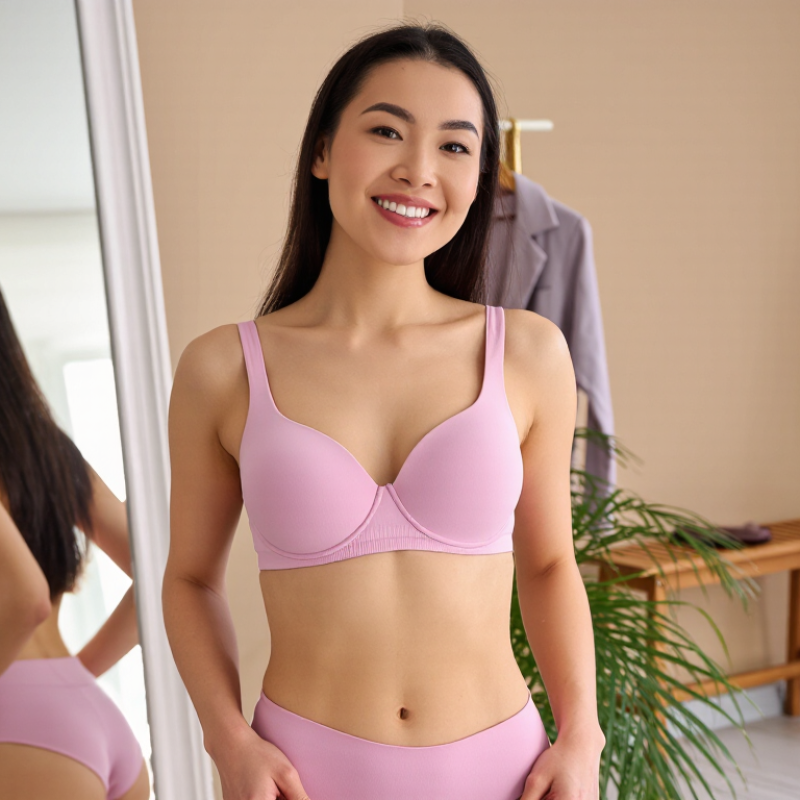
A push-up bra is built to bring breast tissue inward and upward, creating a fuller-looking neckline. Its cups often have angled padding along the lower or outer edges. That placement gently redirects tissue toward the center. Some designs use molded foam; others use removable inserts or graduated padding. Underwires can add structure, while wider wings help stabilize the band. Not magic. The effect comes from cup shape, padding, and fit working together.
Grand View Research’s 2023 lingerie-market report valued the global lingerie category in 2022 at US$88.32 billion and projected 5.0% annual growth through 2030. The figure covers lingerie broadly, not push-up bras alone, so it cannot show how many buyers choose this style. Still, it reflects a large market for varied support and shaping needs. Fit matters more than dramatic padding: cups should lie smoothly, the center panel should sit against the chest, and the band should feel secure without digging in. A small gap or pinching can change the lift and comfort. Even careful sizing can feel imperfect; bodies and bra patterns do not always match neatly.
Push-up bras are popular because they change how clothing sits without requiring a dramatic change in fit. Light or graduated padding adds volume near the lower or outer cup, guiding breast tissue upward and inward. The effect can create more visible cleavage, especially beneath a low neckline. Small details matter.
Cup shape does much of the work. A lower center gore can bring the cups closer together, while angled seams and firm side panels help direct tissue toward the front. For example, a molded cup may give a smooth outline under a fitted top, while a seamed cup can offer more adjustable shaping. The result depends on the wearer’s shape and the bra’s construction, not padding alone.
A good fit should feel supportive, not restrictive. The band should stay level, and the cup should lie smoothly without cutting into breast tissue. Too much padding or a cup that is too small can create bulges rather than lift. That can look fine in a fitting room, then feel uncomfortable after an hour. I sometimes think the search for dramatic cleavage gets more attention than everyday comfort. Both deserve a place in the decision.
Push-up bras appeal to buyers with different bodies, outfits, and comfort preferences. Some choose them for a fuller-looking shape under a fitted top. Others want gentle lift beneath a low neckline or a little more definition in a structured dress. Small details matter: a smooth cup can disappear under a T-shirt, while adjustable straps help keep the band in place.
The appeal is not always about appearance. Buyers with uneven breast volume may like removable pads that let them adjust each side. People seeking extra support may prefer wider bands and secure straps, though padding alone does not guarantee a better fit. A snug band should stay level around the torso, and cups should not dig in or gap. Fit varies.
There are trade-offs. Thick padding can feel warm, and a dramatic shape may not suit every outfit or daily routine. Some buyers simply want a subtle change, not a new silhouette. That distinction gets overlooked. Trying a bra while sitting, reaching, and moving can reveal pressure that a quick mirror check misses. Comfort is personal, and the most flattering option may not be the one with the most lift.
Common buyer motivations and practical considerations. These are qualitative observations, not market-share figures; preferences vary by individual, fit, and occasion.
| Buyer motivation | What buyers may look for | Why it can appeal | Practical consideration |
|---|---|---|---|
| Added lift and definition | Padding positioned at the lower or outer cup, often combined with a shaped cup. | The construction can lift the breasts and create a more defined neckline under clothing. | Padding thickness and placement affect the amount of lift and coverage; a comfortable fit is more important than the size of the effect. |
| A fuller-looking silhouette | Contoured cups or graduated padding designed to add shape. | Some buyers prefer the appearance of added fullness, particularly with fitted tops or dresses. | Different styles create different shapes. Buyers may need to try more than one cup shape to find a natural-looking fit. |
| Support and a secure feel | A well-fitting band, supportive cups, and straps that can be adjusted. | When correctly fitted, these features can help keep the bra in place during everyday wear or an evening out. | Support does not come from padding alone. The band should sit level and feel firm without digging in. |
| Smooth appearance under clothes | Seamless or lightly contoured cups that sit smoothly beneath close-fitting fabrics. | A smooth cup surface can reduce visible seams and help create an even outline under some tops. | Thin fabrics may still show cup edges or texture; clothing material and bra color influence visibility. |
| Versatility across outfits | Convertible straps, a plunging center, or a low-back design, depending on the garment. | Some designs work with necklines or strap arrangements that are difficult to wear with a standard bra. | Not every style suits every outfit. Buyers should check strap placement, neckline, and band coverage with the intended garment. |
| Choice of padding and coverage | Options such as light, moderate, or removable padding, along with different cup coverage levels. | Having options lets buyers choose a more subtle or more pronounced shape and adjust the feel for different occasions. | More padding can add warmth or bulk. Removable inserts may shift if the pocket or fit is not secure. |
| Confidence and personal style | A silhouette or neckline that matches the wearer's preferred look. | For some buyers, the appeal is aesthetic: they like how a particular bra looks and feels with an outfit. | Comfort and personal preference are subjective; a push-up style is an option, not a requirement for any body type. |
| Occasion-specific dressing | A style selected for a particular event, fitted garment, or desired neckline. | Buyers may choose a push-up bra when they want a specific shape for a special outfit or occasion. | For long wear, check for pressure, rubbing, and restricted movement; the best choice may differ from an everyday bra. |

Push-up bras remain popular because buyers often want shape without changing their whole outfit. A smooth T-shirt may need a rounded silhouette, while a low neckline can call for more lift. Fit matters just as much as style: cups should sit flat, the band should stay level, and straps should not dig into the shoulders. Comfort is personal, though. A bra that feels supportive in a fitting room may feel restrictive after a full workday.
Occasion shifts the choice. Lightly padded styles can suit everyday wear, while stronger lift may appeal for a fitted dress or special event. Grand View Research’s 2024 Women’s Lingerie Market report projects a 6.1% compound annual growth rate for the category from 2024 to 2030. That figure covers lingerie overall, not push-up bras alone, but it reflects continued demand across varied styles. Buyers still need to judge each bra on their own body, not on a trend or size label.
Tips: Try the bra with the top you plan to wear, then sit, reach, and breathe normally. Check for gaping, pinching, or a band that rides up. Fit comes first. I used to focus too much on lift; a softer cup often worked better for long days. That preference may not suit everyone.
Buyers often begin with the shape they want, but lift is only one part of a good fit. Check where the padding sits: lower cups can gently raise the bust, while angled padding may create more cleavage. The effect varies with breast shape and bra construction. More padding does not always mean a better result.
Fit matters more than the size printed on the label. The band should sit level around the body, and the cups should not gape or press painfully into breast tissue. Straps can help stabilize a bra, but they should not carry all the weight. Small signs count. If the band rides up when you move, try a different size or style. A trained fitter can offer guidance, though personal comfort still matters most.
Think about the fabric and the clothes you plan to wear over it. Smooth cups may show less beneath a thin T-shirt; lace or seams can create visible texture. For all-day use, breathable fabric and flexible padding may feel better than a stiff, heavily molded cup. It is easy to chase a dramatic lift and overlook pressure near the ribs. Try sitting, reaching, and taking a few steps before deciding. A bra that looks great in the fitting room may feel different after lunch.
A practical buying checklist, grouped by topic. Bars count the comparison points listed for each topic; they do not represent survey results or buyer rankings.
Buyers can compare fit and comfort, support, the amount of lift, materials and care needs, style, and price. The best choice depends on personal fit and preferences.