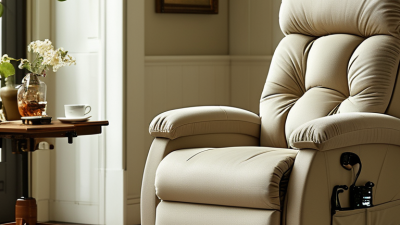
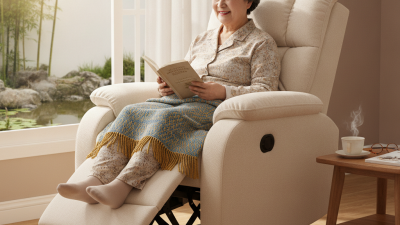
Top Bariatric Lift Chair for Seniors and Heavy Users
For many seniors and heavier users, standing from a deep chair can become tiring, painful, or unsafe. A bariatric lift chair offers powered assistance by gently raising the seat and supporting a controlled transition to standing. The best models combine generous weight capacity, stable construction, comfortable padding, and simple controls. Comfort matters daily.
Choosing the right chair requires more than reading a maximum-weight number. Check the seat width, seat depth, lift angle, motor design, and base stability. A wide seat may feel welcoming, yet excessive space can reduce support for a smaller user. Firm foam can make transfers easier, while soft cushions may feel better during long afternoons. Measure doorways and room space, too. A chair that cannot enter the bedroom is not a practical solution.
Reliable guidance should come from manufacturer specifications, warranty terms, and qualified healthcare advice when mobility limitations are significant. Look for clear safety instructions and a return policy that allows proper fitting at home. Reviews can reveal useful details, such as noisy motors, difficult remote buttons, or fabric that traps heat. However, online opinions are not always consistent. Weight capacity alone can mislead. A cautious comparison should consider posture, transfer confidence, caregiver access, and everyday routines. This guide examines leading options for seniors and heavy users, while acknowledging an important limitation: no single chair suits every body, room, or health condition.
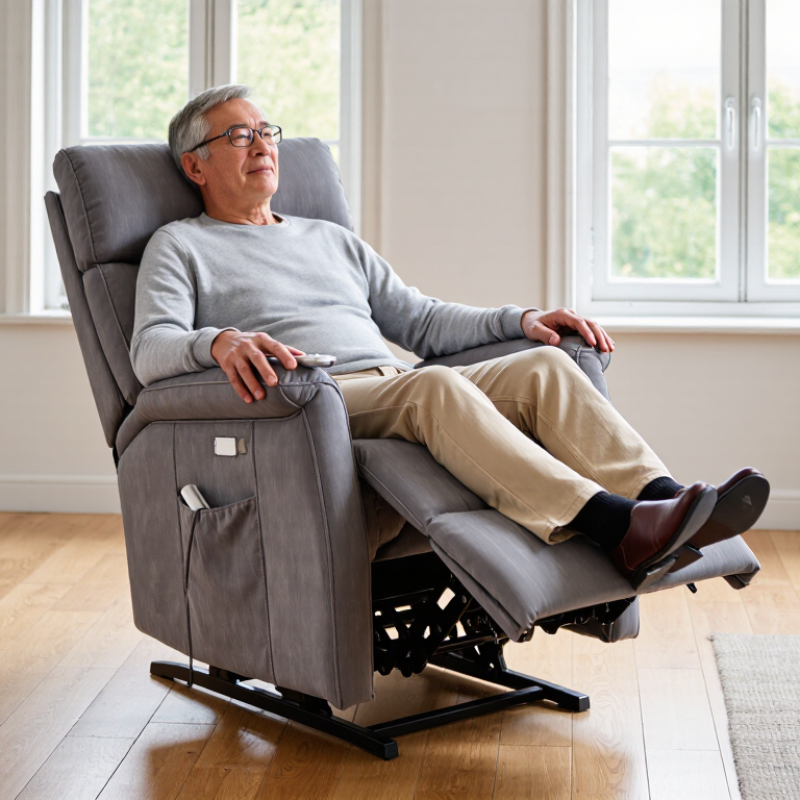
Defining Bariatric Lift Chairs: 300–700 lb Capacity for Senior Users
Top Bariatric Lift Chair for Seniors and Heavy Users
Defining Bariatric Lift Chairs: 300–700 lb Capacity for Senior Users
A bariatric lift chair supports users who need more space, strength, and transfer assistance. Its rated capacity commonly ranges from 300 to 700 pounds. Capacity is not the only measure. A wider frame, reinforced upholstery, stable armrests, and a reliable lifting mechanism also matter.
The World Health Organization reported that one in eight people worldwide lived with obesity in 2022. In the United States, 40.3% of adults had obesity during August 2021–August 2023, according to CDC National Center for Health Statistics Data Brief No. 508, published in 2024. Older adults need careful fitting, not assumptions. A 300-pound chair is not equivalent to a 700-pound model. Seat width, seat depth, footrest clearance, and transfer height can change daily comfort. I would also check the chair’s full specifications, because capacity labels alone can mislead.
Tips: Measure the doorway. Measure the user’s hips while seated. Leave room for clothing and movement. Ask an occupational therapist or physical therapist to assess transfers when possible. Keep the chair on a level floor, and confirm the lift path clears nearby tables. Check the warranty and motor-duty details. Some measurements still get missed.
Evaluating Motor Durability, Battery Backup, and Warranty Coverage
Top Bariatric Lift Chair for Seniors and Heavy Users
A lift chair’s motor should be judged by more than lifting capacity. In daily use, listen for grinding, hesitation, or uneven movement. These signs may indicate strain before a complete failure. Look for a documented cycle-life test, preferably conducted under the chair’s maximum rated load. Some sellers provide only laboratory claims, which may not reflect repeated use in a home. That distinction matters.
AARP’s 2021 Home and Community Preferences Survey found that 77% of adults aged 50 and older want to remain in their current homes. Reliable operation therefore supports more than comfort; it can help preserve daily independence. Battery backup deserves equal attention. Ask how many lifting cycles the battery supports, how long charging takes, and whether the battery works during a power interruption. A backup that powers one emergency movement may be useful, but it is not a full-day solution. Small detail. Big difference.
Warranty coverage should state motor, handset, frame, battery, labor, and in-home service separately. The U.S. Consumer Product Safety Commission continues to emphasize safe use and maintenance of powered household products, making clear instructions important. A long warranty can still disappoint if labor is excluded or shipping costs fall on the owner. I would also check weight limits carefully. They are not suggestions. Independent testing is preferable, though it is not always available. That gap deserves honest consideration when comparing chairs.
Top Bariatric Lift Chair Benchmarks for Seniors and Heavy Users
This comparison uses representative specification benchmarks commonly published for lift chairs: motor life of 10,000–20,000 lift cycles, battery backup of 15–30 emergency cycles, and warranty coverage of 1–3 years. The chart converts each measure into a relative performance index, with the highest benchmark set at 100.
For heavy users, prioritize a motor rated for at least 15,000 cycles, a battery system capable of approximately 20 or more backup cycles, and warranty coverage that explicitly includes the motor and lifting mechanism.
Selecting the Best Chair by Weight Rating, Fit, Comfort, and Care Needs
Choosing a bariatric lift chair starts with its weight rating, but that number is not the whole safety picture.
Select a chair rated well above the user’s current weight. This allows movement, clothing, and daily use without overloading the frame or motor. Check the operating instructions and warranty terms carefully.
Fit matters. Measure twice.
Seat width, depth, and height should support stable sitting and easier transfers. A seat that is too deep may leave the user leaning forward, while a low seat can make standing harder.
Comfort depends on more than thick padding.
During a trial, check whether the back supports the shoulders and whether the feet rest naturally on the footrest. Watch for pressure at the hips, knees, or tailbone after several minutes. A quiet motor and a simple hand control can reduce stress for users with weak grip or limited vision.
I once focused too much on generous width and overlooked armrest height. That mistake made transferring less comfortable.
Care needs should guide the upholstery and maintenance plan.
Choose surfaces that wipe clean, especially when spills or incontinence are possible. Removable covers may help, but confirm washing instructions before purchase. Keep the remote within easy reach, and inspect cords regularly for damage.
A mobility specialist or occupational therapist can assess posture and transfer risks in the home.
Personal testing remains essential. Online measurements can miss real-world difficulties, such as a footrest catching on a nearby table.