China’s home health care supplies manufacturers serve a market shaped by ageing populations, chronic conditions, and care shifting into people’s homes. The World Health Organization’s 2024 ageing fact sheet projects that one in six people worldwide will be aged 60 or older by 2030. By 2050, that population is expected to reach 2.1 billion. The need is becoming more visible in ordinary rooms: a walker beside a bed, a blood-pressure monitor on a kitchen table, or a shower chair in a small bathroom.
Market figures offer context, but they need careful reading. Grand View Research estimated the global home healthcare market at USD 390.24 billion in 2023 and forecast a 7.96% compound annual growth rate from 2024 to 2030. That broader market includes services, not just supplies. It is not a direct measure of China’s manufacturers. The distinction matters.
Healthcare quality expert Paul Batalden is often credited with this reminder: “Every system is perfectly designed to get the results it gets.” For buyers, that points to a practical question: do products fit the user, the caregiver, and the home? Not just the catalog. This overview introduces ten Chinese manufacturers and considers product range, manufacturing experience, quality practices, and export readiness. Company claims still deserve independent checks. A polished product page is not proof of real-world performance. That is easy to forget.
China’s home health care supplies industry is being shaped by an aging population and care increasingly delivered at home. The National Bureau of Statistics’ 2024 Statistical Communiqué reported 310.31 million residents aged 60 or above, representing 22.0% of the population. Residents aged 65 or above numbered 220.23 million, or 15.6%. This creates practical demand for blood-pressure monitors, adjustable beds, mobility aids, and fall-detection devices.
Many needs are routine. Families often value clear instructions, easy cleaning, and replacement parts they can obtain nearby. The World Health Organization’s 2022 Global Report on Assistive Technology estimated that 2.5 billion people worldwide need at least one assistive product; it projects this figure may reach 3.5 billion by 2050.
China’s manufacturing capacity can support a broad range of products, but household use presents a different test from factory output. A monitor should be readable in a dim bedroom; a walker must pass through a narrow doorway. Access and after-sales support may still vary between cities and smaller communities.
The picture is not perfectly neat. Lower prices can widen access, while unclear instructions or inconsistent calibration can erode trust. Suppliers need dependable quality checks, simple setup, and servicing that works for caregivers as well as older users.
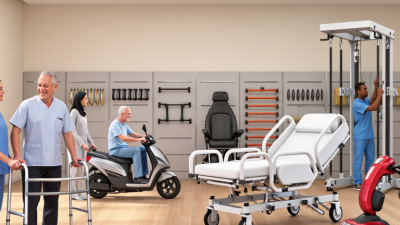
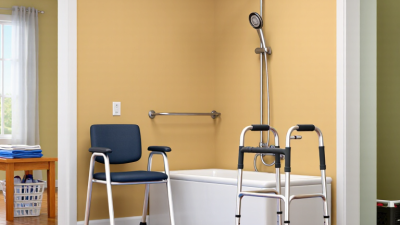
Home health care supplies cover several practical needs. Mobility products include canes, walkers, wheelchairs, and transfer aids. They help users move between rooms or get in and out of bed more safely. Bathroom aids, such as shower chairs and grab bars, reduce the difficulty of washing and toileting. Fit matters. A poorly sized walker can make movement less stable, so measurements and user ability should guide selection.
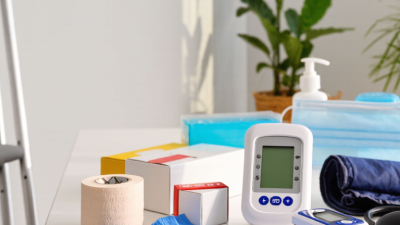
Monitoring devices include blood pressure monitors, thermometers, pulse oximeters, and blood glucose meters. They help users and caregivers track health readings at home and share changes with clinicians. WHO’s 2023 hypertension fact sheet estimates that 1.28 billion adults aged 30–79 have hypertension worldwide. Home blood pressure monitoring can support ongoing care, but a single reading is not a diagnosis. Technique matters.
Other common categories include wound-care dressings, respiratory equipment, and continence products. Dressings protect minor wounds and absorb fluid; respiratory devices may support prescribed treatment; absorbent products help manage daily hygiene. The WHO and UNICEF Global Report on Assistive Technology (2022) estimates that 2.5 billion people need one or more assistive products, with demand projected to reach 3.5 billion by 2050. These categories are not interchangeable. The right supply depends on clinical advice, home layout, and the person’s daily routine. Some needs change. That detail is easy to miss.
Selecting the top ten home health care supplies manufacturers requires more than comparing product photos or catalog size. A credible shortlist considers documented manufacturing experience, product range, and the consistency of quality controls. Reviewers can examine public catalogs, factory information, and available quality certifications. They should also check whether product descriptions specify dimensions, materials, intended use, and cleaning instructions. Details matter. A transfer aid, for example, should have clear load information and readable care guidance, not vague claims.
Evidence should be weighed across several practical measures: testing records, batch traceability, complaint handling, delivery reliability, and access to technical support. Independent audit results and transparent documentation deserve more weight than promotional statements. Where information cannot be verified, that gap should be recorded rather than quietly treated as proof of poor performance. Not every manufacturer publishes the same level of detail. This makes comparisons imperfect. A desk-based review also cannot replace direct factory inspection or user feedback. The final ranking should therefore explain its criteria, note evidence limitations, and avoid presenting a shortlist as a guarantee of product suitability.
These ten profiles compare manufacturers by product focus, production strengths, and practical details for home care. Names are omitted, so this is a capability-led overview, not a verified ranking.
One profile centers on adjustable care beds, with attention to quiet motors and wipe-clean frames. Another focuses on wheelchairs and walkers, where frame weight and turning space matter. A third makes blood pressure and temperature monitors, emphasizing readable displays. A fourth supplies home respiratory equipment, where noise and filter access affect daily use. A fifth develops rehabilitation aids, from resistance bands to balance supports. Small details count.
A sixth profile covers bathroom safety products, such as grab bars and shower seats. A seventh specializes in wound-care dressings and storage-friendly packs. An eighth produces incontinence supplies, where fit and skin comfort deserve careful assessment. A ninth focuses on daily-living aids, including reachers and adapted utensils. The tenth offers varied home-care products for institutional buyers and distributors. These descriptions outline useful comparison points, not confirmed company-specific claims. Buyers should verify materials, testing records, spare-part access, and after-sales support directly. A polished catalogue can still leave gaps; I would check repair instructions before judging quality.
China’s home health care supplies manufacturers differ in production depth, quality controls, and export support. Some focus on a narrow range, such as mobility aids or daily living products; others manage several product categories. Compare actual production lines, monthly capacity, and inspection records rather than relying on catalog size. Ask how defects are recorded and whether batches can be traced to materials and production dates. Details matter.
Certifications are useful only when their scope matches the factory and products being assessed. Request current documents, check the covered site and product category, and verify the issuing body where possible. A quality-system certificate does not automatically prove that every product meets the requirements of your destination market. That distinction is easy to miss. Product samples can also reveal practical issues, such as stiff buckles, unclear markings, or packaging that shifts during handling.
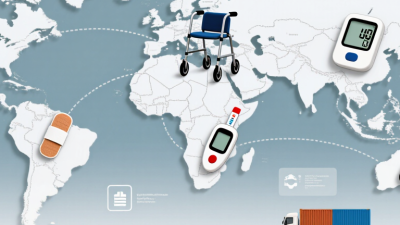
Export service can separate otherwise similar suppliers. Check whether teams provide consistent product specifications, destination-ready labeling, packing lists, and shipment updates. Ask for sample carton dimensions and photos of protective packing; small packaging gaps can cause delays or damage. Clarify lead times, minimum order quantities, and how changes are documented. A polished brochure may still leave unanswered questions, so keep a written comparison sheet and confirm important claims directly with the manufacturer.