7 Tips for Choosing Lift Chair Medical Supplies?

Choosing a lift chair medical supply is more than selecting a comfortable seat. It can affect daily transfers, posture, circulation, and confidence at home. A chair may look supportive in a showroom but feel unsuitable beside a narrow hallway or low coffee table. Small details matter.

This guide introduces seven practical tips for making a safer, better-informed choice. It considers seat width, lifting range, weight capacity, motor performance, upholstery, remote controls, and emergency features. It also examines warranties, maintenance, delivery access, and the availability of qualified service. These details often determine whether a chair remains useful after several months.

Real experience shows that comfort is personal. One user may prefer firm cushioning, while another needs softer pressure relief. A caregiver may value simple controls more than extra massage settings. An occupational therapist or healthcare professional can help assess transfer ability, posture, and fall risk. Product manuals and established medical equipment suppliers should support the decision.

Do not rush this purchase.

A common mistake is choosing a chair by appearance alone. I have seen how an attractive model can become frustrating when its footrest stops too high or its remote feels confusing. Careful measurements, honest user feedback, and a realistic budget can prevent that disappointment. The right choice should support independence without promising more than the equipment can safely provide.

7 Tips for Choosing Lift Chair Medical Supplies?

Understand Lift Chair Types and Their Medical Uses

Choosing Lift Chair Medical Supplies: Understand Lift Chair Types and Their Medical Uses

A lift chair is more than a comfortable recliner. Its lifting mechanism helps users move from sitting to standing with less knee and hip strain. The World Health Organization’s 2022 Global Report estimates that 1.3 billion people live with significant disabilities. That figure highlights the need for practical, person-centered equipment.

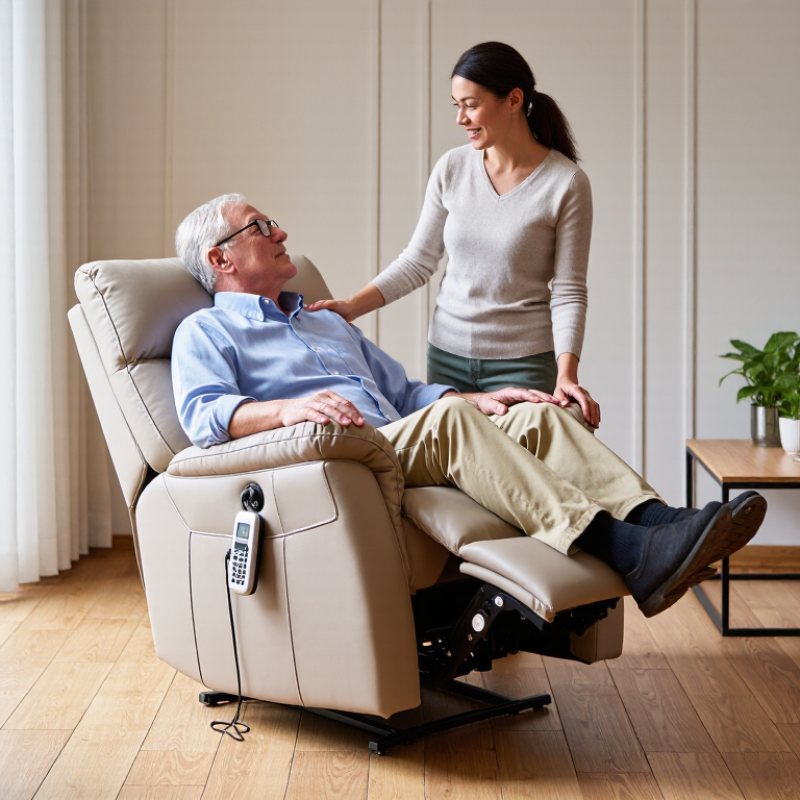
Begin by matching the chair type to the user’s medical needs. A two-position model supports basic sitting and gentle reclining. A three-position model offers deeper recline for rest and leg elevation.

An infinite-position model adjusts the back and footrest separately, which may help users with swelling or prolonged sitting. Zero-gravity positioning can reduce pressure in some cases, but it is not suitable for everyone.

Ask a clinician or occupational therapist when circulation, spinal alignment, or breathing problems are involved.

Check seven details before purchasing

seat width seat depth lifting height motor noise emergency battery backup washable materials weight capacity

The footrest should support the heels, not press behind the knees. CDC reports that more than 3 million older adults receive emergency treatment for falls annually. A stable lift cycle, clear floor space, and reachable controls may reduce transfer risks.

Small details matter. A perfect chair does not exist. Even experienced buyers can overlook doorway width or caregiver access, so measure both the room and the user carefully.

Assess the User’s Mobility, Comfort, and Care Requirements

Choosing lift chair medical supplies starts with the person, not the chair’s appearance.

Observe how the user stands, sits, transfers, and manages the control handset. A person with weak knees may need a steady lifting motion, while someone with limited trunk control may need stronger positioning support.

Ask about walking aids, falls, pain, swelling, and fatigue during a typical day. Small details matter. Can they reach the buttons? Will the footrest support both legs without pressure behind the knees?

A physiotherapist, occupational therapist, or qualified medical-supply professional can help match these needs to safe equipment.

Comfort should be assessed over time, not during a quick showroom test.

Check seat width, cushion firmness, lumbar support, armrest height, and fabric temperature. The user should keep both feet supported and avoid sliding forward when reclining.

For fragile skin, inspect contact areas regularly, especially the heels, tailbone, and elbows. A removable cover may simplify cleaning after meals or incontinence, but it does not replace proper hygiene.

That distinction is easy to miss.

Care requirements also include the caregiver’s workload and the room layout.

Leave clear space beside the chair for transfers, and keep cords away from walking paths. Confirm whether the user can operate the remote independently or needs supervised adjustments.

Weight capacity, emergency lowering options, battery backup, and maintenance instructions deserve careful review.

I have seen comfort priorities change after one week of daily use. A chair that feels supportive at noon may feel restrictive after an evening nap.

Reassess it.

Check Lift Capacity, Positioning Options, and Safety Features

Choosing a lift chair starts with lift capacity, not upholstery or price. Measure user weight, height, hip width, and transfer space. Select a rated capacity above current weight, including clothing and carried items. A small margin matters. Fit matters. An undersized frame can restrict movement, while an oversized seat may create unstable gaps. FDA guidance emphasizes following device instructions and confirming suitability for the intended user. Ask a clinician or qualified supplier when balance, cognition, or skin integrity is compromised.

Positioning should match the person’s daily routine. A two-position chair may support sitting and reading, while a multi-position model can assist with leg elevation, naps, or nighttime reflux management. Do not assume more positions mean safer care. Check whether the back, knees, and feet remain supported throughout movement. The National Institute on Aging recommends reducing fall hazards and improving lighting. The chair should not block walking paths. CDC reports that more than one in four adults aged 65 and older falls each year. Stable transfers deserve attention. Keep the handset reachable without twisting.

Safety features require a hands-on test. Check smooth startup, controlled stopping, pinch-point protection, anti-tip stability, emergency lowering, and battery backup. Route cords away from feet and pets. Cleanable upholstery helps, but it does not replace skin checks or repositioning advice. WHO identifies falls as the second leading cause of unintentional injury deaths worldwide. I would not trust a capacity label alone; installation, posture, and caregiver technique can change real-world risk. Test the chair with a trained professional present. Measure twice.

7 Tips for Choosing Lift Chair Medical Supplies? - Check Lift Capacity, Positioning Options, and Safety Features

Tip Evaluation Dimension What to Check Practical Selection Guidance Why It Matters
1 Lift Capacity Confirm the chair’s rated lifting capacity and compare it with the user’s current weight, clothing, and any routinely used medical equipment. Choose a model whose published capacity exceeds the complete expected load. Do not rely on appearance or motor size as a substitute for the stated rating. Adequate capacity supports stable operation and reduces unnecessary stress on the lifting mechanism.
2 Positioning Options Check whether the chair provides lift, sit, recline, and rest positions. Verify whether the backrest and footrest move together or independently. Select the simplest configuration that supports the user’s daily activities, transfers, leg elevation, and comfort needs. Appropriate positioning can make transfers easier and may help the user maintain a comfortable posture during rest.
3 User Fit and Measurements Measure the user’s height, hip width, seat depth, lower-leg length, and available room depth. Compare them with the chair’s published dimensions. The user should sit with back support, feet properly supported, and knees aligned comfortably without excessive pressure behind the legs. Correct sizing improves stability, comfort, and the effectiveness of the lift position.
4 Safety Features Look for an emergency lowering procedure, secure hand control, stable base, pinch-point protection, anti-tip design, and clearly labeled operating instructions. Ask how the chair behaves during a power interruption and keep moving parts clear of children, pets, and loose objects. These features help reduce risks during transfers, adjustments, and unexpected power loss.
5 Control Accessibility Evaluate button size, symbol clarity, cord length, button resistance, and whether the control can be used comfortably with limited hand strength or dexterity. Prefer controls with distinct, easy-to-understand functions and a holder that keeps the handset within reach. An accessible control reduces dependence on caregivers and helps prevent incorrect operation.
6 Comfort and Cleanability Review cushioning, lumbar and head support, armrest height, upholstery durability, seam construction, and cleaning instructions. Choose materials suitable for the user’s daily environment; removable or wipe-clean surfaces can simplify routine care. Comfort supports regular use, while cleanable materials help maintain hygiene and extend service life.
7 Power, Service, and Documentation Check electrical requirements, cord placement, assembly instructions, maintenance guidance, replacement-part availability, and written warranty terms. Confirm that the chair fits the room’s outlet location and that qualified service support is available when needed. Clear documentation and service access help maintain safe operation throughout the chair’s usable life.

Note: A lift chair is a transfer-assistance device, not a substitute for professional medical advice. Consult a qualified healthcare professional when the user has specific mobility, posture, or transfer requirements.

Compare Upholstery, Controls, Warranty, and Maintenance Needs

7 Tips for Choosing Lift Chair Medical Supplies

The upholstery affects comfort, cleaning, and long-term usability. Breathable fabric may feel cooler, while treated material often handles spills better. Run your hand across the surface. Rough seams can irritate skin during daily use. Choose firm, supportive padding rather than an overly soft seat that loses shape quickly. Measure the chair, doorway, and available floor space before ordering.

Controls should be simple, visible, and easy to press with limited hand strength. A handheld controller with raised buttons may reduce confusion. Check whether the lift and recline movements stop smoothly. Listen for unusual motor noise during a demonstration. I once focused too heavily on appearance and overlooked controller placement. That was a poor decision. Ask whether the cord can be positioned safely away from walking paths, pets, and wheels.

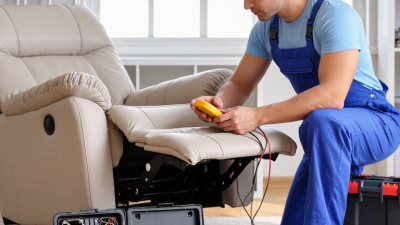
Read the warranty carefully, including motor coverage, frame coverage, labor, and return conditions. A long warranty sounds reassuring, but exclusions matter more. Confirm who handles repairs and how long parts may take to arrive. Maintenance should include checking bolts, cleaning spills promptly, and inspecting cords for damage. Avoid harsh cleaners unless the upholstery instructions allow them. Keep a simple service record. It helps reveal repeated problems early. Some advice may not fit every home, so an occupational therapist or qualified medical-supply professional can assess posture, transfer needs, and safe placement.

Confirm Proper Sizing, Home Fit, and Supplier Reliability

Tip 1: Confirm proper sizing before discussing colors or features. Measure the user’s hip width, thigh length, back height, and preferred seat depth. The feet should rest flat, while the knees remain near a right angle. The headrest should support the neck without pushing it forward. A chair that feels comfortable for five minutes may fail after an hour. Follow the manufacturer’s measurement chart, but treat it as guidance, not proof.

Tip 2: Check the entire home fit. AARP’s 2021 Home and Community Preferences Survey found that 77% of adults aged 50 and older want to remain in their current homes. Measure doorways, hallways, outlets, and the chair’s fully reclined length. Keep clearance from walls, tables, and heating equipment. CDC data reports that more than one in four older adults falls each year, so loose rugs and narrow walking paths deserve attention. Small details matter.

Tip 3: Test supplier reliability with evidence. Ask for written specifications, delivery terms, warranty coverage, service response times, and return conditions. Confirm electrical safety documentation from a recognized testing body. Check whether replacement parts remain available after purchase. The WHO Global Report on Assistive Technology estimates that 2.5 billion people need assistive products, and demand may reach 3.5 billion by 2050. That scale makes quality control essential. No checklist is perfect. I would still request photos, measurements, and a real service contact before paying.

©2024 Home Health Solutions by The Medicine Shoppe
cross linkedin facebook pinterest youtube rss twitter instagram facebook-blank rss-blank linkedin-blank pinterest youtube twitter instagram