Why Choose Quality Medical Equipment Supplies?

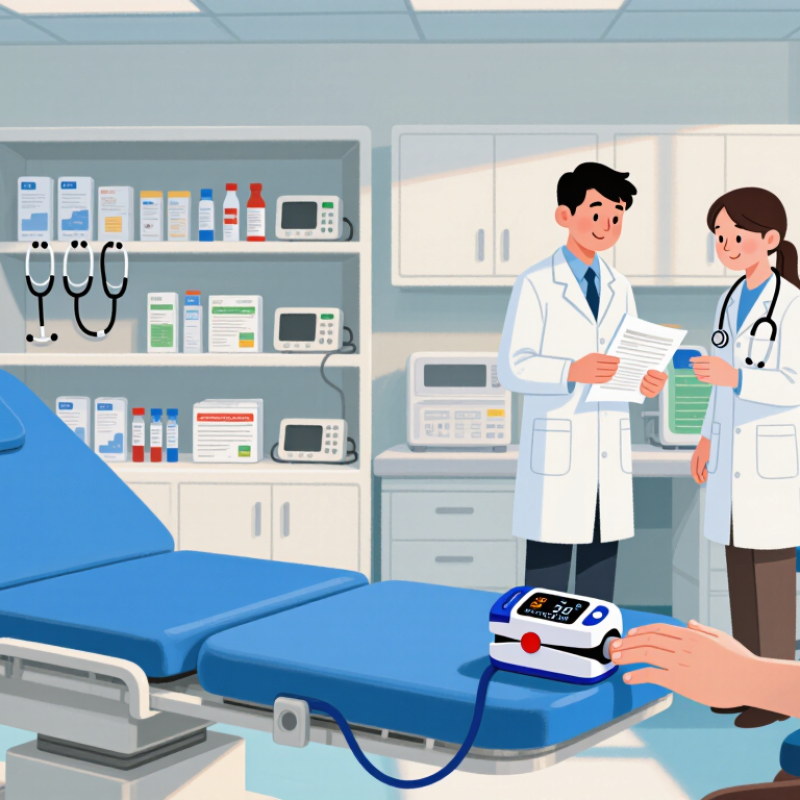
Choosing quality medical equipment supplies is not merely a purchasing decision. It can influence diagnosis, treatment, patient comfort, and staff safety. In a busy clinic, a reliable pulse oximeter should display stable readings, even when the patient moves slightly. A durable examination table should remain steady during repeated daily use. These practical details often matter more than attractive packaging or a low initial price.

Quality supplies usually offer clearer documentation, consistent manufacturing, and dependable technical support. Healthcare professionals can review certifications, user instructions, warranty terms, and maintenance requirements before approval. Procurement teams should also examine supplier experience, product traceability, and replacement-part availability. A manufacturer with transparent testing records provides stronger evidence than vague marketing promises. This is where professional judgment matters. One product may suit a hospital ward but perform poorly in a small outpatient room.

Real-world experience still exposes limitations. Even excellent equipment can fail when staff training is rushed or maintenance schedules are ignored. That is an uncomfortable truth. Therefore, responsible selection includes staff feedback, routine inspections, calibration records, and a clear reporting process. Comparing total ownership costs may reveal that a cheaper device requires frequent repairs, delays, or replacement. Quality is not perfection. It is a practical commitment to reliable performance, informed evaluation, and patient-focused care. When healthcare organizations choose medical equipment supplies carefully, they create a safer working environment and support more consistent clinical decisions. Small details matter. The right choice should be evidence-based, transparent, and appropriate for its intended use.

Why Choose Quality Medical Equipment Supplies?

What Defines Quality in Medical Equipment Supplies

Quality in medical equipment supplies is more than a polished package or a low purchase price. It begins with verified performance, consistent materials, and clear traceability from production to delivery. ISO 13485 emphasizes documented quality systems, risk control, and corrective action throughout the product lifecycle. These details matter beside a treatment bed, where a loose connector, unclear label, or delayed replacement can disrupt care.

The WHO Global Patient Safety Action Plan estimates that one in ten patients experiences harm during healthcare, with more than half considered preventable. Reliable supplies can reduce avoidable risks through accurate specifications, sterile packaging, inspection records, and practical user instructions. Quality also includes usability. A clinician should read a measurement quickly, adjust a fitting without force, and identify expiry information under ordinary ward lighting. Small details matter.

Not everything is perfect.

Procurement teams sometimes trust certificates too quickly. A document proves compliance, but not always dependable daily performance. The OECD Health at a Glance 2023 report shows that health systems devote substantial resources to care, making equipment failures especially costly. Buyers should review independent testing, failure histories, maintenance support, and staff feedback before approval. Suppliers should welcome difficult questions, report limitations honestly, and improve after field problems. That behavior reflects real expertise more clearly than promotional claims.

How Quality Supplies Support Patient Safety and Care

Quality medical equipment supplies directly support patient safety at the bedside. In daily clinical practice, small details matter. A secure connector prevents leaks during an infusion. Clear graduations help staff measure medication accurately. Soft, intact packaging reduces contamination risks before use. These details protect patients when teams work quickly. They also reduce avoidable interruptions during care.

Reliable supplies should meet documented specifications and arrive with clear instructions. Staff need to confirm size, sterility status, expiry dates, and package integrity. A damaged seal is not a minor inconvenience. It may signal a safety concern. Consistent labeling also helps prevent selection errors, especially in crowded treatment rooms. Equipment should be easy to handle, clean, store, and replace. Nurses and technicians work more confidently when performance remains predictable. Maintenance records, lot tracking, and supplier verification strengthen accountability. Good data matters.

Still, quality systems are not flawless. A checklist can be rushed, and staff may overlook a cracked casing or missing instruction. Regular training and open reporting make those weaknesses visible. Supervisors should review near misses without blaming individuals. Patient comfort matters too. A rough edge, noisy pump, or awkward fit can increase anxiety, even when the device functions correctly. Choosing supplies should consider safety, usability, and real clinical conditions.

Why Choose Quality Medical Equipment Supplies? How Quality Supplies Support Patient Safety and Care
Quality Dimension Relevant Data or Requirement How It Supports Patient Safety and Care Practical Verification Method Reference
Sterility Assurance SAL of 10-6 is commonly used for terminally sterilized healthcare products, representing a theoretical probability of no more than one viable microorganism in one million sterilized items. Reduces the risk of introducing microorganisms during invasive procedures, wound care, injections, and catheter placement. Review sterilization records, process indicators, package integrity, and the stated sterile expiration period before use. ISO 11135; ISO 11137; ISO 17665
Packaging Integrity Packaging should remain sealed, dry, undamaged, and free from punctures, tears, broken seals, or visible contamination. Maintains the sterile barrier during transportation and storage and prevents contamination before the item is opened. Perform visual inspection and check for wetness, seal separation, crushing, holes, or other damage. ISO 11607-1; ISO 11607-2
Material Biocompatibility Patient-contacting materials should be evaluated for biological effects based on the type and duration of contact. Helps reduce risks such as irritation, sensitization, cytotoxicity, or tissue reaction during clinical use. Confirm the product's biological evaluation documentation and intended contact category. ISO 10993-1
Accurate Measurement Measurement devices should be calibrated against traceable standards at defined intervals and after relevant repairs or adjustments. Supports reliable clinical decisions involving temperature, blood pressure, oxygen concentration, weight, infusion volume, and other measurements. Check calibration status, certificate date, equipment identification, and out-of-tolerance history. ISO 17025; manufacturer-recommended procedures
Traceability Product records should identify the device or lot, supplier, receipt date, storage location, and distribution or usage history where applicable. Enables targeted investigation, corrective action, and recall management without unnecessarily disrupting unaffected patients or supplies. Maintain inventory records using lot numbers, serial numbers, expiration dates, and usage documentation. ISO 13485; medical-device quality-management principles
Expiration-Date Control Products should be used before the labeled expiration date and managed using a first-expire, first-out process. Preserves expected sterility, material performance, reagent stability, and device functionality. Conduct routine stock checks and quarantine expired or unidentified items. WHO good storage practices; product labeling requirements
Storage Conditions Storage areas should protect supplies from excessive heat, moisture, sunlight, dust, pests, and physical damage; temperature-sensitive products require documented monitoring. Prevents degradation of plastics, adhesives, reagents, medications, and sterile barriers before use. Record temperature and humidity where required, inspect storage areas, and separate damaged stock. WHO Good Storage and Distribution Practices
Usability and Human Factors Controls, labels, connectors, alarms, and instructions should support correct use by the intended healthcare professional. Reduces avoidable use errors, incorrect connections, misidentification, and delays in treatment. Review labeling, instructions for use, connector compatibility, training requirements, and user feedback. IEC 62366-1; ISO 14971
Infection-Control Compatibility Reusable equipment should have validated cleaning, disinfection, or sterilization instructions appropriate to its design and intended use. Supports effective reprocessing and helps prevent healthcare-associated infection transmission. Verify reprocessing instructions, compatibility with approved disinfectants, and completion of reprocessing records. CDC infection-control guidance; ISO 17664-1
Supply Continuity Critical supplies should have defined minimum stock levels, reorder points, and documented contingency procedures. Reduces treatment interruptions and helps ensure that essential care can continue during demand changes or delivery delays. Monitor usage rates, lead times, stock-outs, backorders, and emergency inventory levels. Healthcare inventory-management good practice

The Role of Compliance, Testing, and Certification

Quality medical equipment depends on more than appearance or price. Compliance, testing, and certification provide evidence that products perform safely in real clinical settings. The World Health Organization reports that approximately one in ten patients experiences harm during healthcare, and more than half of that harm is preventable (WHO, Global Patient Safety Report 2024). Reliable equipment can reduce avoidable risks when users follow verified procedures.

Testing should match the device’s intended use. Electrical equipment may require leakage-current and insulation testing under IEC 60601. Patient-contact materials may need biocompatibility assessment under ISO 10993. Sterile products also require validated packaging, sterilization controls, and defined shelf-life evidence. A certification mark alone is not enough. Procurement teams should check the certificate scope, issuing body, expiry date, and product model.

Small details matter. A receiving technician should record the lot number, inspect the seal, and confirm the calibration label. The WHO notes that more than two million medical device types exist across over 7,000 categories, making traceability essential (WHO, Medical Devices, 2023). ISO 13485-based quality systems support documented design controls, supplier management, and corrective actions. Yet paperwork can still hide weak practice. A test report may be accurate but incomplete. Human error remains possible. Periodic audits, staff training, and honest incident reporting keep compliance connected to patient care.

Why Choose Quality Medical Equipment Supplies?

The Role of Compliance, Testing, and Certification

Electrical safety testing is a key part of medical equipment quality assurance. The chart compares selected normal-condition patient leakage-current limits for applied-part classifications under IEC 60601-1. Lower limits indicate stricter protection requirements, while compliance testing and certification help demonstrate that equipment meets applicable safety expectations before use.

Reference: IEC 60601-1, Medical electrical equipment — General requirements for basic safety and essential performance. Actual limits depend on the equipment design, applied-part type, operating condition, and applicable edition of the standard.

How Reliable Equipment Improves Clinical Efficiency

Why Choose Quality Medical Equipment Supplies?

How Reliable Equipment Improves Clinical Efficiency

Reliable medical equipment does more than produce accurate readings. In busy clinics, it protects time, attention, and clinical decisions. A monitor that starts quickly and displays clear values supports faster assessment. Small delays multiply. Staff may repeat tests, search for replacement devices, or pause treatment while checking results. These interruptions weaken workflow and increase pressure on clinical teams.

The World Health Organization’s Global Patient Safety Report 2024 estimates that one in ten patients experiences harm during healthcare, with more than half considered preventable. Equipment failure is not the only cause. However, dependable devices reduce one avoidable source of risk. Stable performance, simple controls, and compatible accessories can shorten preparation time. They also help staff follow consistent procedures, especially during crowded shifts.

Quality supplies require more than a higher purchase price. Maintenance access, calibration records, user training, and replacement-part availability matter. WHO’s 2011 Medical Device Donations guidance reported that up to 70% of medical equipment in some low- and middle-income settings was not functional or usable. That figure deserves reflection. A low-cost device is not efficient if it remains unused.

A perfect workflow is a myth. Even reliable equipment needs inspection. Clinical managers should review failure logs, service intervals, and staff feedback before purchasing. The best choice supports real working conditions, not just a polished specification sheet.

Key Factors for Selecting Quality Medical Supplies

Why Choose Quality Medical Equipment Supplies?

Key Factors for Selecting Quality Medical Supplies

Selecting quality medical supplies begins with the intended clinical use. A wound dressing for a busy emergency room needs different features than one used at home. Check material safety, size, strength, expiry dates, and packaging integrity. Small tears or unclear labels can create serious risks. Quality products should include clear instructions and traceable batch information.

Reliable suppliers provide current technical documents and consistent quality records. Look for evidence of recognized regulatory compliance, product testing, and controlled manufacturing processes. Storage guidance also matters. A temperature-sensitive item may fail before use if transport conditions are ignored. In practice, staff feedback can reveal problems that product sheets miss. Ask whether gloves tear during fitting or whether tubing disconnects under normal pressure.

No checklist is perfect. Real conditions are messy. A careful review should include user training, cleaning procedures, and emergency availability. Supplies must also fit existing equipment and clinical routines. An experienced procurement team can compare total cost, not just the purchase price. Frequent replacements, poor sizing, and wasted stock may make a cheaper option more expensive. Inspect deliveries on arrival, record defects, and report recurring issues through a documented process. One overlooked detail can change the result.

©2024 Home Health Solutions by The Medicine Shoppe
cross linkedin facebook pinterest youtube rss twitter instagram facebook-blank rss-blank linkedin-blank pinterest youtube twitter instagram