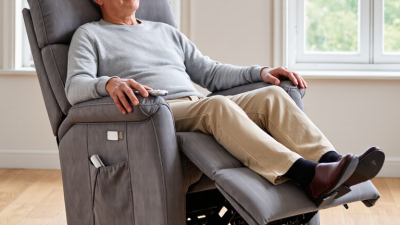
10 Tips for Choosing the Best Mobility Equipment
Choosing mobility equipment is a personal decision, not simply a matter of picking the most popular product. The right option should suit the user’s daily routines, physical abilities, home layout, and comfort needs. A walker that works well on a wide sidewalk may feel awkward in a narrow hallway. Small details matter.
Before comparing products, consider where and how often the equipment will be used. Measure doorways, check floor surfaces, and think about storage and transport. For wheelchairs, scooters, canes, or walkers, review weight limits, adjustability, brakes, and maintenance requirements. Product specifications are useful, but they do not replace a practical fit assessment. When possible, arrange a trial with a qualified supplier or ask a healthcare professional, such as an occupational therapist, for guidance.
These ten tips can help you ask better questions and avoid a rushed purchase. They cover safety, fit, ease of use, budget, and support after buying. Even careful shoppers can overlook a small issue, like a hard-to-reach brake or a seat that feels fine for five minutes but not an hour. That can change everything. Needs may also change over time, so leave room to reassess. The best mobility equipment is not necessarily the most advanced or expensive. It is the equipment that supports safer, more comfortable movement in real everyday settings.

Understanding Your Mobility Needs and Daily Activities
Before choosing mobility equipment, describe an ordinary day, not an ideal one. Where do you walk, and how far? Note tight bathroom turns, the step at the front door, uneven pavement, and how long you stand while cooking. A cane may suit brief indoor support, while a walker or wheelchair could fit longer routes or fatigue; needs vary, so avoid choosing from distance alone. Also consider hand strength, balance, posture, and whether you can lift or fold the device into a car. Small details matter. A basket can help with groceries, but it may affect balance or make narrow hallways harder to navigate.
Think about tasks that feel difficult, not only places you visit. Do you need both hands free to open doors? Can you manage a ramp, bus step, or carpet edge safely? Try equipment in the settings where you plan to use it, wearing your usual shoes and carrying a familiar bag. A short test may not reveal what happens after twenty minutes. That matters. Ask a qualified health professional, such as an occupational or physical therapist, to assess fit, posture, and safe use, especially after a fall or change in symptoms. Recheck your needs as routines change. I might be tempted to choose for the worst day, but storage, transport, and everyday comfort count too. There is no perfect choice.
Exploring Types of Mobility Equipment and Their Uses
Mobility equipment serves different needs, from steadying a short walk to supporting movement across a large building. A cane can help when one side needs light support, while a crutch may reduce weight on an injured leg. Neither is automatically safer; height, balance, and grip strength matter. A physical or occupational therapist can check fit and teach safe use. Small adjustments matter.
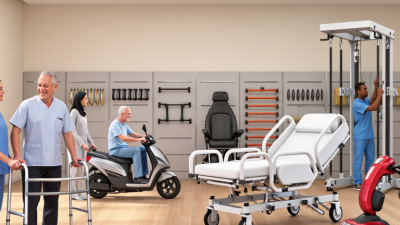
Walkers offer a wider base for people who need more support. A standard walker stays stable but must be lifted with each step. Wheeled models move more easily, though they require control on slopes and uneven paths. Manual wheelchairs suit users who can propel themselves or have a helper. Power chairs and mobility scooters can reduce effort over longer distances, but turning space, seat comfort, and battery range should match daily routines. Measure doorways at home. A device that fits a shop may not fit a narrow hallway.
Tips: Try equipment on the surfaces you actually use, such as a rug, curb, or crowded corridor. Check hand brakes, seat height, and storage needs. Ask for a supervised trial when possible. Don’t choose by appearance alone. I once thought a lighter frame would solve everything; it didn’t account for tiring hands. Reassess as strength, pain, or daily routes change.
10 Tips for Choosing the Best Mobility Equipment
Exploring common equipment types and their uses
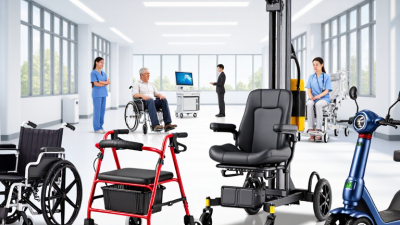
Canes and crutches can provide walking support, walkers and rollators offer a broader base for walking, and wheelchairs support seated mobility. The chart shows typical ground-contact points in common designs; configurations vary, and the number of contact points alone does not determine stability. Consider the user’s needs, environment, fit, and advice from a qualified health professional when choosing equipment.
Assessing Fit, Comfort, Safety, and Ease of Use
Choosing mobility equipment starts with the person, not the product display. Ask a qualified clinician or seating specialist to check seat width, depth, footrest height, and handle position. The user should sit naturally, with feet supported and enough room to shift. Test the fit in everyday clothes and shoes. A chair that fits indoors may feel cramped with a winter coat. Small details matter.
Comfort is not optional. Pressure, aching shoulders, or numb fingers can make otherwise useful equipment hard to use. WHO’s 2022 Global Report on Assistive Technology estimates that more than 2.5 billion people need at least one assistive product. That scale makes individual assessment essential; a general size chart cannot replace it. Safety needs hands-on checks, too. Test brakes, turning space, transfers, and stability on the surfaces the user actually travels. A smooth showroom floor can mislead. WHO’s 2008 wheelchair guidelines reported that only 5–15% of people needing wheelchairs had access to one at that time. Ease of use deserves the same attention: can the user fold, steer, or adjust the equipment without strain? If not, pause and reassess. The “best” choice may still need refinement after a week of real use.
Matching Equipment to Your Home and Lifestyle
Choosing mobility equipment starts with the rooms and routines you use every day.
Measure doorways, hallways, and the tight turn beside your bed. Check thresholds, rugs, and floor surfaces, too. A device that fits a showroom may not clear your bathroom door. Measure twice.
Think about where you will use it most.
A cane or walker may suit short indoor trips, while longer outings can call for a different option. Consider seat comfort, storage, battery range if relevant, and how easily equipment folds into your car. If you climb stairs, plan how the device will be stored on each level. Small details matter. A basket can help, but it may also make a narrow walker harder to steer.
Match the equipment to your strength, balance, and daily schedule, not just its appearance.
Try it in the places you actually move through, with the shoes you usually wear. A common planning mistake is focusing on the purchase and forgetting transport, charging, or maintenance. That part is easy to miss. Ask a physical or occupational therapist to assess fit and safe use, especially if your needs are changing. Home layouts differ, and a choice that works well for one person may feel awkward for another.
Comparing Costs, Maintenance, and Support Options
The purchase price is only one part of a mobility device’s cost. Compare delivery, fitting, batteries, cushions, and other accessories before choosing. A lower monthly rental fee may still cost more if routine servicing is excluded. Ask for a written estimate covering the first year, not just the checkout total. Small details matter. A ramp, for instance, may need measuring against the doorway and turning space at home. An occupational therapist or qualified mobility specialist can help assess fit and safe use, especially when needs change over time.
Maintenance can affect both cost and independence. Ask how often the equipment needs inspection, which parts commonly wear out, and whether repairs happen at home or require transport. Check the warranty terms carefully; batteries and upholstery may have different coverage. Also ask how quickly support responds when equipment stops working. Response time matters. Find out whether temporary equipment is available during a repair, and get contact details for ongoing help. I still find these questions easy to postpone when a device looks comfortable in a showroom. That can be a mistake. If possible, test it on the surfaces and routes you use daily, then note any concerns before committing.