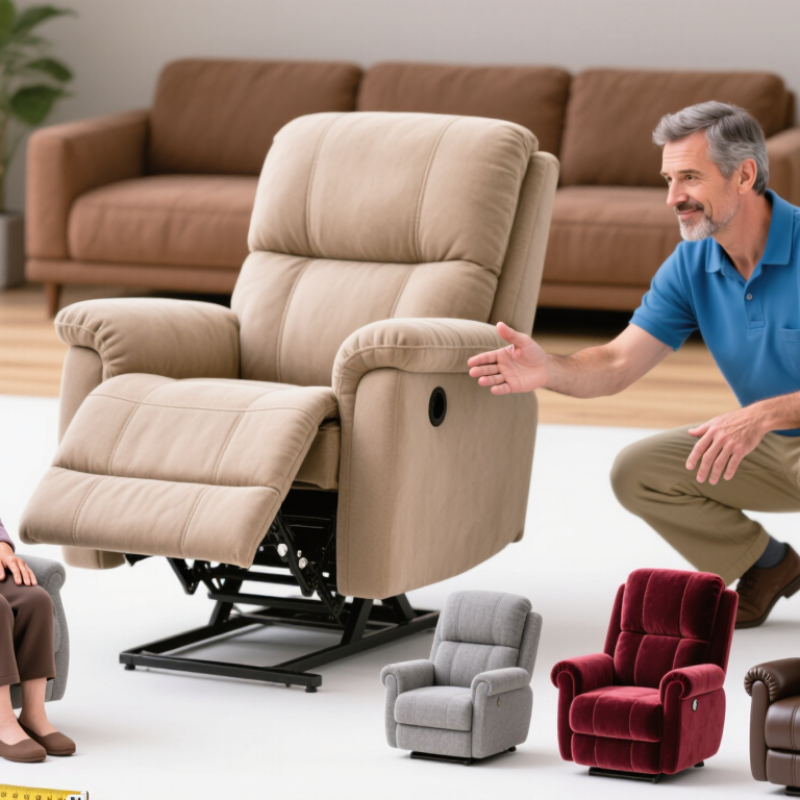
Choosing the right goldentech lift chairs begins with the person who will use the chair, not the feature list. A chair should fit the user’s height, weight, and daily routine. When seated, their feet should rest comfortably on the floor, while the seat supports their thighs without pressing behind the knees. Small details matter. A remote with clear, easy-to-reach buttons can make everyday adjustments less frustrating.
Golden Technologies offers different sizes, fabrics, and reclining options, so comparing models by name alone can be misleading. Measure the available space, including room for the chair to recline. Consider whether the user needs a simple lift-and-recline function or extra positions for resting. Check the manufacturer’s specifications for weight capacity, seat dimensions, warranty terms, and recommended care. Ask a qualified healthcare professional or seating specialist about fit when mobility or posture needs are complex.
Comfort is personal. A plush cushion may feel inviting at first, yet firm support may work better for longer sitting. Try the chair if possible. Notice how smoothly it rises and whether the footrest supports the legs.
There is no universal best model.
A named industry expert’s quotation cannot be verified from the material provided, so none is attributed here. That matters: a made-up endorsement would not help shoppers make a reliable choice. This guide focuses instead on practical checks that can help you compare goldentech lift chairs with care.
Lift chairs generally fall into two-position, three-position, and infinite-position designs. A two-position model offers a simple upright-to-reclined range, often suited to reading or resting. Three-position chairs recline farther, while infinite-position models adjust the backrest and footrest separately. Some also offer a near-flat or zero-gravity position. More movement can feel helpful, but extra settings are not automatically better. Match the chair’s range to how you actually sit.
Check the chair’s dimensions, weight capacity, and seat height before comparing upholstery or extras. Your feet should rest flat, with your knees near a right angle; the seat should not press hard behind them. Measure twice. A quiet motor, easy-to-reach control, and battery backup can matter during everyday use. If two motors are included, ask whether they control the back and footrest independently. A feature list can look impressive, yet a bulky chair may block a doorway or crowd a small room. Check the return terms, too. If standing or transferring is difficult, ask a qualified clinician or mobility specialist which positions and support features fit your needs.
Typical number of independently adjustable sections by lift-chair type
Two- and three-position chairs commonly move the backrest and footrest together, while many infinite-position models allow them to adjust independently. Features vary by model, so check the product specifications and choose a chair that fits your mobility needs and room.
A lift chair should fit the person’s daily movements, not just the living room. Notice how easily they rise from a firm seat, whether their feet rest flat, and where pressure builds after ten minutes. Measure the user’s height and the available floor space, then check the chair’s seat depth, width, and recline range. Fit matters. A chair that feels comfortable in a showroom may feel different at home.
The CDC’s 2024 Older Adult Falls data reports that more than one in four adults aged 65 and older falls each year. The World Health Organization’s 2021 falls fact sheet estimates 684,000 fatal falls worldwide annually, with older adults facing the greatest risk. These figures make transfer safety worth discussing, but a lift chair is not a fall-prevention guarantee. Arthritis, dizziness, recent surgery, or limited arm strength can change which controls and movements feel manageable. Ask a clinician or occupational therapist to assess transfers when needs are complex.
Tips: Test the controls while seated, and check that the footrest and back move without pinching or forcing the legs. Keep a clear path beside the chair. If standing still feels uncertain, pause and seek professional guidance; guessing is not a care plan.
Choosing a lift chair starts with fit, not the number of features. Measure the user’s seated hip width, lower-leg length, and the space beside the chair. A seat that is too deep can press behind the knees; one that is too wide may offer less stable support. Fit matters more. Check the manufacturer’s size range against these measurements, then compare the chair’s overall width with doorways and nearby furniture.
Lift chairs can differ in seat dimensions, weight capacity, and reclining positions. Some offer a gentler recline for reading, while others extend farther for resting. Ask how each position moves the legs and back, and whether the footrest supports the calves without leaving a gap. More positions are not automatically better. A simple control that is easy to reach may matter more than extra settings, especially when hand strength or vision is limited.
Before choosing, test the chair if possible. Sit with feet supported and knees near a right angle, then try standing with the lift mechanism. Notice whether the motion feels steady and whether the controls are clear. Room layouts can make an otherwise suitable model awkward, and online dimensions do not show how upholstery feels. That part is easy to overlook. If mobility or pain affects the choice, discuss positioning needs with a qualified health professional.
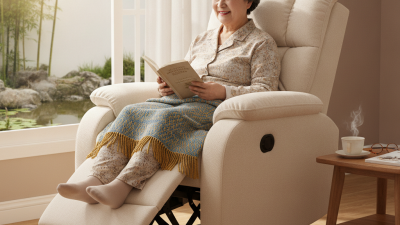
Upholstery affects comfort, cleaning, and how a lift chair looks after years of use. Run your hand over the fabric, then check its care label. A tightly woven material may resist snags, while smooth vinyl can be easier to wipe clean. Neither suits every home. Pets, spills, warm rooms, and sensitive skin all matter. Ask for a fabric sample if one is available, and view it in your usual lighting. Colors can look different beside a window than under showroom lights. Small detail, big difference.
Compare options that address daily needs, not just the longest feature list. Try the controls and notice whether buttons are easy to reach and read. Check how the chair supports your back and legs in a seated position. If possible, test the lift motion with someone nearby. It should feel steady, not abrupt. Review the warranty in writing: identify coverage for the frame, motor, upholstery, labor, and shipping, plus any exclusions. Terms vary, so do not assume every part is covered equally. Confirm who handles repairs, whether service reaches your area, and how replacement parts are arranged. A quick answer is reassuring, but written details are better. No checklist catches everything. I would still recheck measurements at home; doorways and tight corners are easy to overlook.
| Comparison Dimension | What to Check | Useful Comparison Details | Questions to Ask Before Buying |
|---|---|---|---|
| Upholstery | Compare fabric, microfiber, and leather or synthetic-leather coverings. | Check cleaning instructions, stain resistance, breathability, texture, and color choices. Performance depends on the specific material and finish. | Can the upholstery be spot-cleaned? Are care instructions and replacement parts available? |
| Fit and seat dimensions | Check seat width and depth, back height, and the chair’s overall dimensions. | Compare measurements with the user’s body and available room. Feet should rest comfortably, and the seat should support a stable sitting posture. | Are the dimensions listed for the assembled chair? Can the user try the chair or review a sizing guide? |
| Lift and recline positions | Identify the available sitting, reclining, and assisted-standing positions. | Position names and movement ranges vary by chair. Check whether the chair can stop at intermediate positions or offers only preset movements. | Does the chair reach the user’s preferred resting position? Is the control simple to operate? |
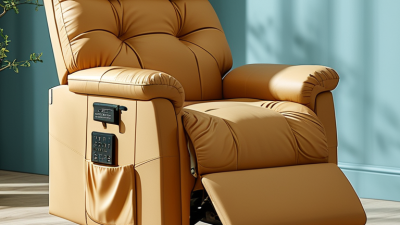
| Controls and convenience options | Review the handset, button layout, USB ports, storage pockets, and any optional heat or massage features. | Options differ by model and may affect price. Confirm which features are included rather than assuming they come standard. | Are the controls easy to read and reach? Which options are included in the quoted price? |
| Weight capacity and stability | Check the manufacturer’s stated maximum user weight and any fit guidance. | Capacity varies among chairs. Choose a chair whose published limits meet the user’s needs; do not estimate capacity from appearance. | What is the maximum user weight, and are there specific assembly or placement requirements? |
| Warranty coverage | Read the written warranty for the frame, lift mechanism, motor, electrical components, and upholstery. | Coverage periods, exclusions, labor costs, and shipping responsibilities can differ by component and seller. The written terms are the reliable source. | Which parts are covered, for how long, and who pays for labor, transport, or replacement parts? |
| Service and parts availability | Confirm how to request repairs and whether service is available in the buyer’s area. | Ask about in-home repair, authorized technicians, replacement-part ordering, and expected service arrangements. Availability varies by location. | Who handles service after purchase, and how can replacement parts be obtained? |
| Delivery and setup | Check delivery method, assembly requirements, and clearance through doorways and hallways. | Delivery and setup services depend on the seller and location. Measure access routes and the intended chair space before ordering. | Is assembly included? Does delivery include placement, packaging removal, or a service fee? |
| Price and return terms | Compare the total price, delivery charges, optional features, and return conditions. | Policies vary by seller. Check return windows, restocking fees, and who pays return shipping before placing an order. | What is the full delivered cost, and what costs apply if the chair needs to be returned? |

Choosing a lift chair starts with measurements, not fabric samples. Measure the user’s height, hip width, and lower-leg length while seated. The feet should rest flat, with knees near a right angle and a small gap behind them. The seat should support the thighs without pressing behind the knees. Armrests should allow relaxed shoulders and easy hand placement. Small details matter. A chair that looks roomy in a showroom may feel different at home, so check the listed dimensions against the space available.
Confirm the setup before regular use. Measure doorways and turning space, then leave room for the chair to recline and rise without hitting a wall or table. Place it near a suitable outlet, and keep cords clear of walking paths. Follow the chair’s manual for assembly and positioning; do not guess about electrical connections. Test the remote and run one full movement cycle while the area is clear. Watch for wobbling, unusual sounds, or fabric catching. I would not assume the first test proves everything is right. Recheck the fit after a few days, especially if posture or comfort changes, and ask a qualified health professional about individual mobility needs.